
Have you ever wondered what goes well with a turkey? Think creamy mashed potatoes, rich gravy, and roasted vegetables. Add cranberry sauce and stuffing into the mix, and you have a feast fit for royalty.
Pair it with a crisp salad or some fresh bread, and you’ll be the star of any gathering. Now, let’s dive deep into the art of cooking a turkey.
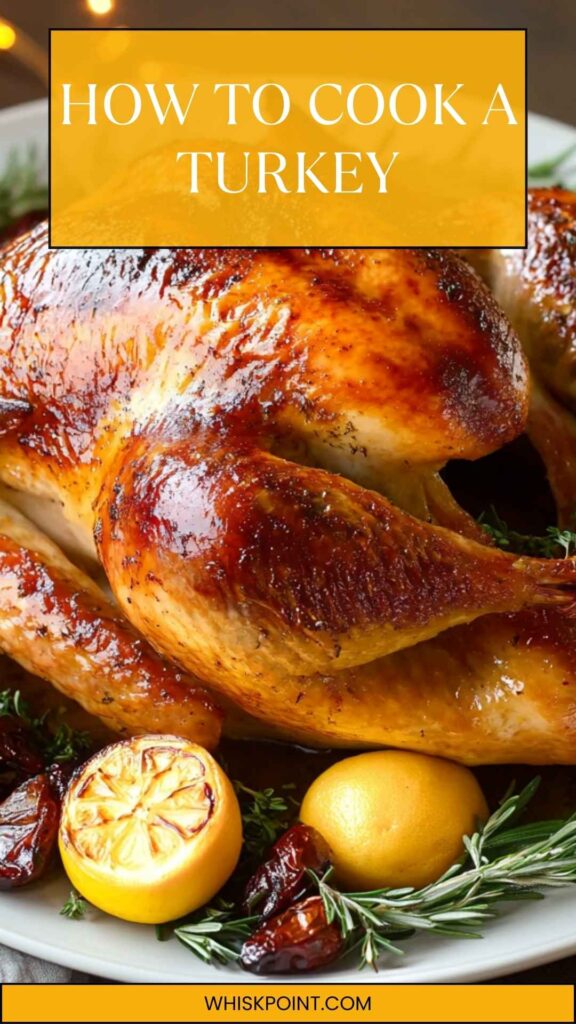
Cooking a turkey can be intimidating. I remember my first attempt—chaotic doesn’t even begin to describe it. But over the years, I’ve honed my skills, and let me tell you, the satisfaction of serving a beautifully roasted turkey is unparalleled.
Nothing brings family together quite like a turkey dinner. It’s a centerpiece for Thanksgiving, Christmas, and family reunions.
But how do you transform a humble bird into a mouthwatering masterpiece? That’s what this guide is all about.
What is How to Cook a Turkey?
Cooking a turkey involves seasoning, roasting, and occasionally brining or stuffing the bird. It’s not as complicated as it seems. And once you understand the basics, you’ll find success every time. The method I’m sharing combines simplicity with tried-and-true techniques to ensure that your turkey comes out juicy and flavorful.
What Makes This Recipe Different From Other Turkey Recipes?
Many turkey recipes require complicated techniques or ingredients that are hard to find. This one, however, focuses on what’s readily available and straightforward.
You won’t need fancy gadgets or intricate steps. Just a touch of love and a few basic ingredients will make all the difference.
I also integrate flavors that balance well with turkey. This recipe incorporates fresh herbs and butter, creating a taste that resonates with tradition while ensuring each bite bursts with flavor.
How Does It Taste?
Imagine a perfectly cooked turkey: the skin is crisp, the meat is tender, and every slice releases a tantalizing aroma. The flavor balances herbs and the natural richness of the turkey. Pair this with gravy, and you’re looking at a culinary delight that dances on your taste buds.
You’ll Also Like The Following Recipe
Ingredients You’ll Need to Make This Dish
Now, let’s gather our ingredients. You’ll need:
– 1 (12- to 15-pound) whole turkey, thawed if frozen
– 8 tablespoons (1 stick) unsalted butter, softened
– 1 tablespoon olive oil
– 4 sprigs fresh thyme, rosemary, or sage, or a blend of all three
– 1 teaspoon garlic powder
– 1 medium lemon, quartered
– Sea salt, to taste
– Freshly cracked black pepper, to taste
– 2 cups low-sodium chicken, vegetable, or turkey stock (or water)
With these ingredients in hand, you’re ready to embark on a flavorful journey.
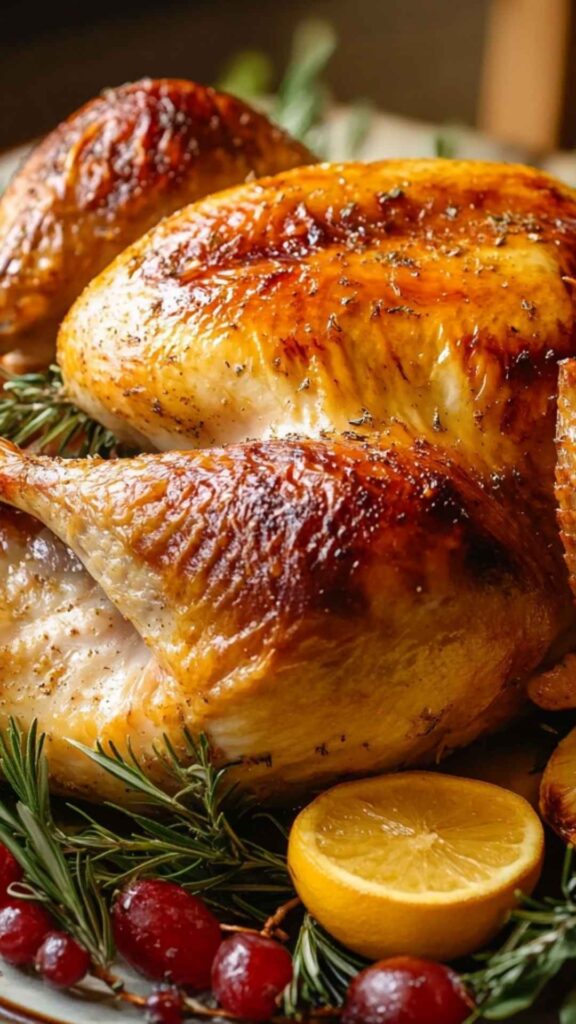
Step-by-Step Instructions for Cooking Your Turkey
Step 1: Prepare Your Turkey
Before cooking, ensure your turkey is completely thawed, especially if it’s been in the freezer. This can take several days in the fridge, so plan ahead. Remove the neck and giblets from the cavity.
Give the turkey a good rinse under cool water and pat it dry with paper towels. Dry skin leads to crispy results!
Step 2: Season Generously
In a mixing bowl, combine softened butter, olive oil, garlic powder, sea salt, and freshly cracked pepper. If using herbs, chop them finely and mix them into the butter. Use your hands to loosen the skin of the turkey carefully. This keeps the meat moist.
Now, take half of your buttery mixture and rub it directly onto the meat, beneath the skin. Use the remaining mixture to coat the outside of the bird. When finished, stuff the cavity with lemon wedges and any remaining herbs. This adds moisture and subtle flavor during cooking.
Step 3: Preheat Your Oven
Preheat your oven to 325°F (163°C). While waiting for the oven to heat, place the turkey on a roasting rack in a large roasting pan. This allows air to circulate around the turkey, resulting in even cooking.
Step 4: Add Stock to the Pan
Pour the chicken, vegetable, or turkey stock into the bottom of the roasting pan. This helps create steam, keeping the meat juicy while it roasts. It also serves as the base for your gravy later on.
Step 5: Roast Your Turkey
Place the turkey in the oven. A general guideline is to roast for about 13 minutes per pound. So, for a 15-pound turkey, you’re looking at approximately 3 to 3.5 hours.
Every hour, baste the turkey with the drippings from the pan to keep it moist and to enhance that golden color.
Step 6: Check for Doneness
Around the last hour, start checking the internal temperature. Insert a meat thermometer into the thickest part of the thigh without touching bone. The turkey is done when it reaches 165°F (74°C).
If you like crispy skin, give it a few extra minutes under the broiler at the end. Just watch closely to prevent burning!
Step 7: Rest Before Carving
Once the turkey is out of the oven, it’s essential to let it rest for at least 20-30 minutes. This allows the juices to redistribute for a succulent carving experience.
However tempting it may be, waiting is crucial. Surprisingly, this step improves texture and moisture.
Step 8: Carve and Serve
Now, it’s time to carve! Use a sharp carving knife and slice away at the breast meat. Follow with the legs and thighs.
Serve with your favorite sides. Enjoy every moment—you’ve earned it!
Tips & Tricks on Making the Perfect Turkey
- Brine the Turkey: For an even juicier bird, consider brining it in a saltwater solution overnight before cooking.
- Use a Meat Thermometer: Always and I mean always use a meat thermometer. It takes the guesswork out of cooking.
- Keep It Simple: Don’t overcrowd the pan with too many veggies; this can steam the turkey rather than roast it.
- Avoid Opening the Oven Door: Each time the door opens, you lose heat. Only check on it when necessary.
- Snack Strategy: Set out snacks and appetizers for guests, so they don’t hang around the kitchen asking, “Is it done yet?”
Nutrition Information
How to cook a turkey nutrition facts

How Do I Store This Dish?
Leftover turkey should be cooled and stored in airtight containers. Refrigerate for up to four days, or freeze for longer storage. Just ensure it’s wrapped well to prevent freezer burn.
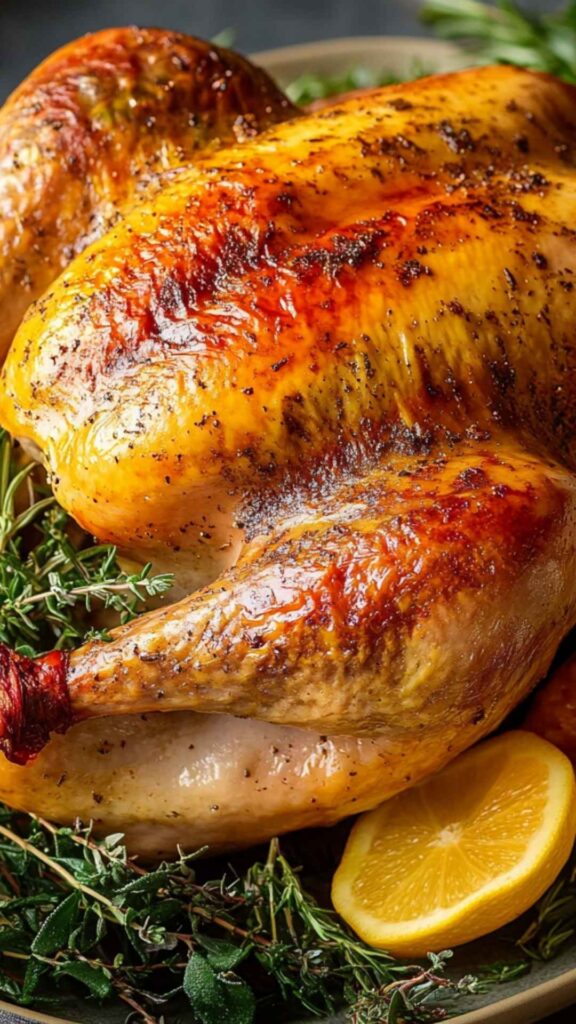
What Other Substitutes Can You Use in Cooking a Turkey?
Here are five substitutions you might find handy:
- Butter Alternatives: You can use olive oil or duck fat for a different flavor profile.
- Herbs Variations: If you don’t have fresh herbs, dried equivalents work just fine. Use one-third of the amount.
- Lemon Alternatives: Lime can add a different citrus profile; don’t be afraid to experiment.
- Stock Choices: If you prefer, use white wine instead of stock for a richer flavor.
- Weight Variations: A smaller turkey? Just adjust cooking time to roughly 15 minutes per pound.
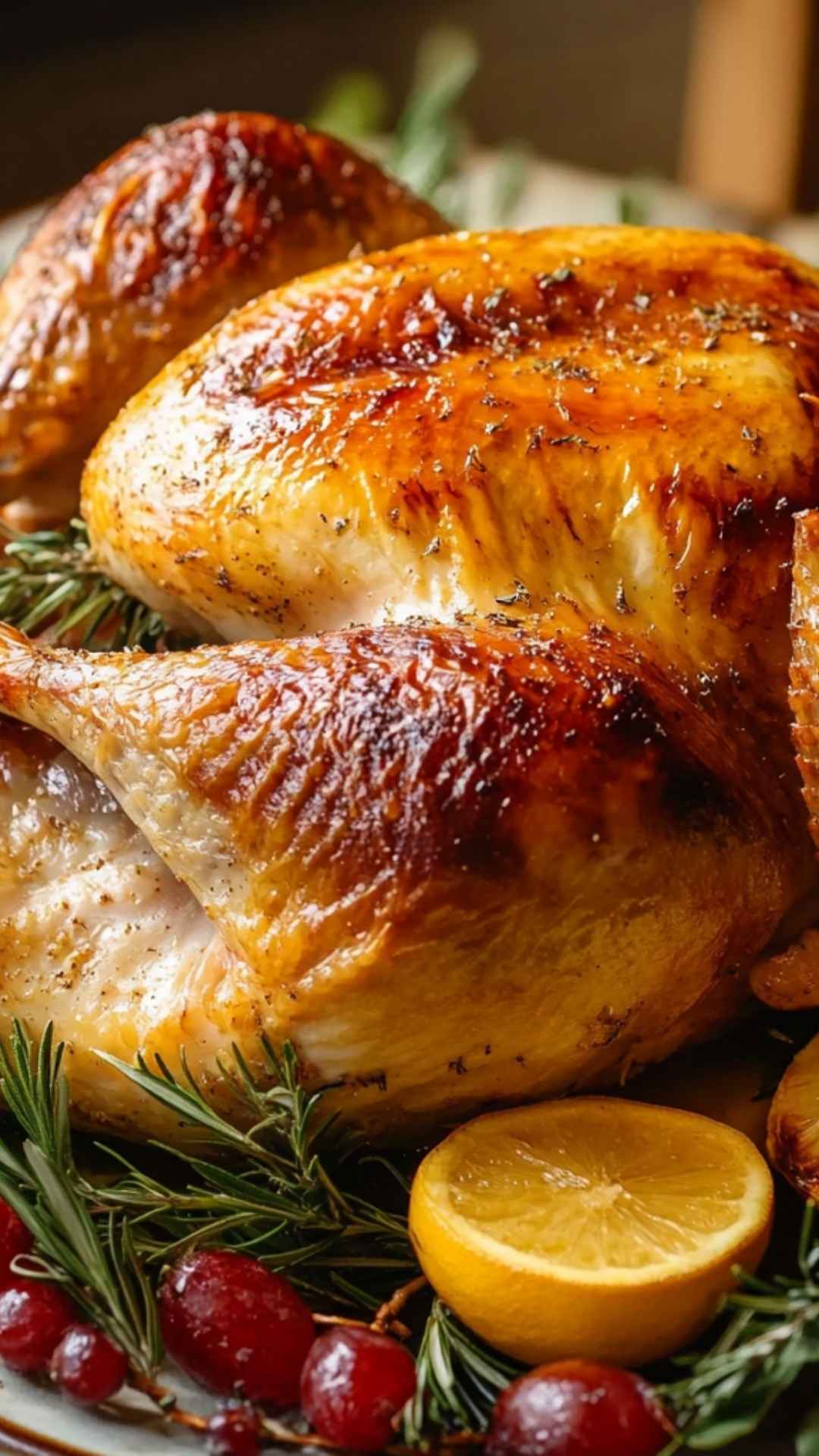

How to Cook a Turkey
Ingredients
Equipment
Method
- Before cooking, ensure your turkey is completely thawed, especially if it’s been in the freezer. This can take several days in the fridge, so plan ahead. Remove the neck and giblets from the cavity.
- Give the turkey a good rinse under cool water and pat it dry with paper towels. Dry skin leads to crispy results!
- In a mixing bowl, combine softened butter, olive oil, garlic powder, sea salt, and freshly cracked pepper. If using herbs, chop them finely and mix them into the butter. Use your hands to loosen the skin of the turkey carefully. This keeps the meat moist.
- Now, take half of your buttery mixture and rub it directly onto the meat, beneath the skin. Use the remaining mixture to coat the outside of the bird. When finished, stuff the cavity with lemon wedges and any remaining herbs. This adds moisture and subtle flavor during cooking.
- Preheat your oven to 325°F (163°C). While waiting for the oven to heat, place the turkey on a roasting rack in a large roasting pan. This allows air to circulate around the turkey, resulting in even cooking.
- Pour the chicken, vegetable, or turkey stock into the bottom of the roasting pan. This helps create steam, keeping the meat juicy while it roasts. It also serves as the base for your gravy later on.
- Place the turkey in the oven. A general guideline is to roast for about 13 minutes per pound. So, for a 15-pound turkey, you’re looking at approximately 3 to 3.5 hours.
- Every hour, baste the turkey with the drippings from the pan to keep it moist and to enhance that golden color.
- Around the last hour, start checking the internal temperature. Insert a meat thermometer into the thickest part of the thigh without touching bone. The turkey is done when it reaches 165°F (74°C).
- If you like crispy skin, give it a few extra minutes under the broiler at the end. Just watch closely to prevent burning!
- Once the turkey is out of the oven, it’s essential to let it rest for at least 20-30 minutes. This allows the juices to redistribute for a succulent carving experience.
- However tempting it may be, waiting is crucial. Surprisingly, this step improves texture and moisture.
- Now, it’s time to carve! Use a sharp carving knife and slice away at the breast meat. Follow with the legs and thighs.
- Serve with your favorite sides. Enjoy every moment—you’ve earned it!
Nutrition
Video
Notes
- Brine the Turkey: For an even juicier bird, consider brining it in a saltwater solution overnight before cooking.
- Use a Meat Thermometer: Always and I mean always use a meat thermometer. It takes the guesswork out of cooking.
- Keep It Simple: Don’t overcrowd the pan with too many veggies; this can steam the turkey rather than roast it.
- Avoid Opening the Oven Door: Each time the door opens, you lose heat. Only check on it when necessary.
- Snack Strategy: Set out snacks and appetizers for guests, so they don’t hang around the kitchen asking, “Is it done yet?”
Tried this recipe?
Let us know how it was!Frequently Asked Questions About Cooking Turkey
1. Can I cook a frozen turkey?
Yes, but it will take much longer. Allow extra time. A frozen turkey can take about 50% longer to cook.
2. What if my turkey is browning too quickly?
Cover it loosely with aluminum foil to prevent burning while allowing it to cook evenly.
3. How do I know when my turkey is fully cooked?
The internal temperature should reach at least 165°F (74°C) in the thickest part of the bird.
4. Can I make giblet gravy from the turkey drippings?
Absolutely! Use the drippings from your roasting pan combined with the giblets boiled in water for a fantastic homemade gravy.
5. What’s the best way to carve a turkey?
Start with the breast, moving to the legs and thighs. Use long, smooth strokes with a sharp knife for clean cuts.
Conclusion
Cooking a turkey doesn’t have to be a daunting task. With the right approach and a few simple tips, anyone can create a feast that delights the senses.
This guide has armed you with knowledge not just to cook a turkey, but to elevate your meals.
Remember, practice makes perfect. Embrace the process, enjoy the flavors, and cherish the memories made around the table.
Now, roll up your sleeves and get cooking! Your perfect turkey awaits!