
I’m obsessed with dishes that look fancy but don’t require you to spend half the day in the kitchen. This BBQ salmon recipe is exactly that—crispy on the outside, flaky and tender inside, with a caramelized glaze that tastes like you’ve been grilling all afternoon. It pairs beautifully with quick sides like roasted vegetables or grain bowls. If you’re looking for more sheet pan dinners that come together fast, check out my sheet pan Italian chicken for another weeknight winner.
The Story Behind This Quick Broiler Trick
Last summer, I was hosting a dinner party on a Tuesday night—yes, I know that sounds wild. My friend Karen was coming over, and I wanted to impress her without spending three hours prepping. The grill was out of commission, and I was starting to panic.
That’s when I remembered this broiler method my grandmother taught me years ago. She’d say, “Sheila, the broiler is basically a small grill right in your oven. Work with it instead of against it.” I decided to give it a shot with some beautiful salmon fillets I’d picked up that afternoon.
Fifteen minutes later, we were eating the most incredible salmon with homemade BBQ sauce, and Karen asked for the recipe before dessert even arrived. It’s been my go-to ever since—especially on nights when I want something that tastes indulgent but actually respects my time.
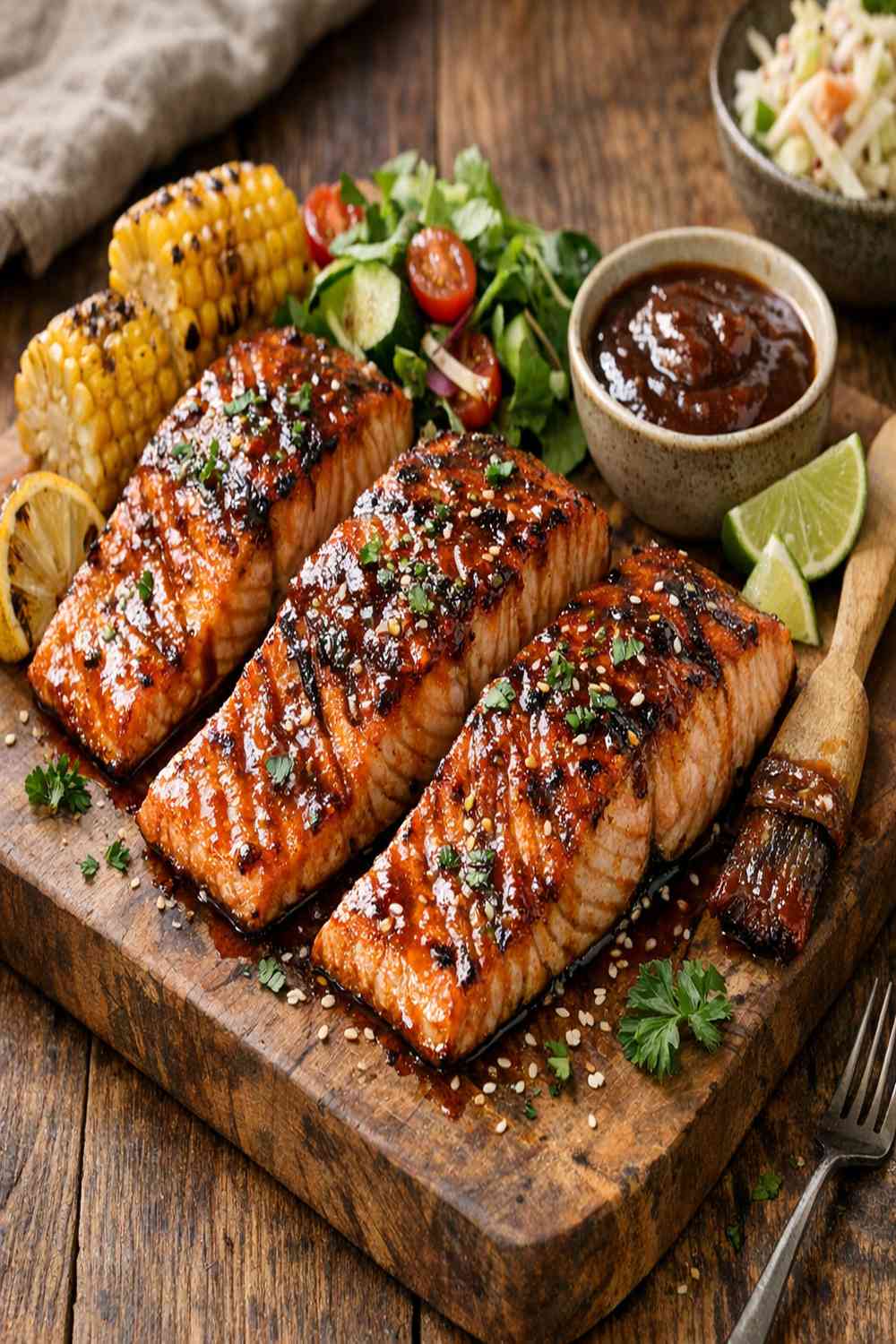
What is BBQ Salmon Recipe?
BBQ salmon is a simple preparation where salmon fillets are brushed with barbecue sauce and broiled until the edges caramelize and the glaze becomes sticky and glossy. The high heat creates this beautiful contrast—the outside gets slightly charred and crispy while the inside stays buttery and moist.
This isn’t a complicated technique. It’s more about timing and knowing when to stop. The beauty of broiling is that it’s fast. You’re not waiting for a grill to heat up or dealing with flare-ups. Just a hot oven element, a little patience, and some really good sauce.
Salmon is one of those proteins that responds beautifully to high-heat cooking because of its fat content. That omega-3 richness means it won’t dry out like leaner fish might. The BBQ glaze amplifies that savory quality while adding just enough sweetness to balance the fish’s natural briny flavor.
Why You’ll Love This BBQ Salmon Recipe
- It’s genuinely fast – Total time from prep to plate is about 20 minutes. No marinating. No waiting. Just slice, season, brush, and broil.
- Minimal cleanup required – Everything happens on one baking sheet. That’s my kind of dinner strategy, honestly.
- Packed with nutrients – Salmon is one of the best sources of omega-3 fatty acids, which support heart and brain health. You’re eating something that tastes indulgent but is genuinely good for you.
- Forgiving and hard to mess up – The BBQ sauce helps keep the fish moist, and there’s a visible window where you can see when it’s done (that fork-flake test is your friend).
- Impressive enough for guests – People always think broiled salmon is harder to make than it actually is. Let them think you’re a culinary genius.
- Works with whatever BBQ sauce you have – Store-bought, homemade, spicy, sweet, smoky. The method stays the same. Make it your own.
The Ingredients
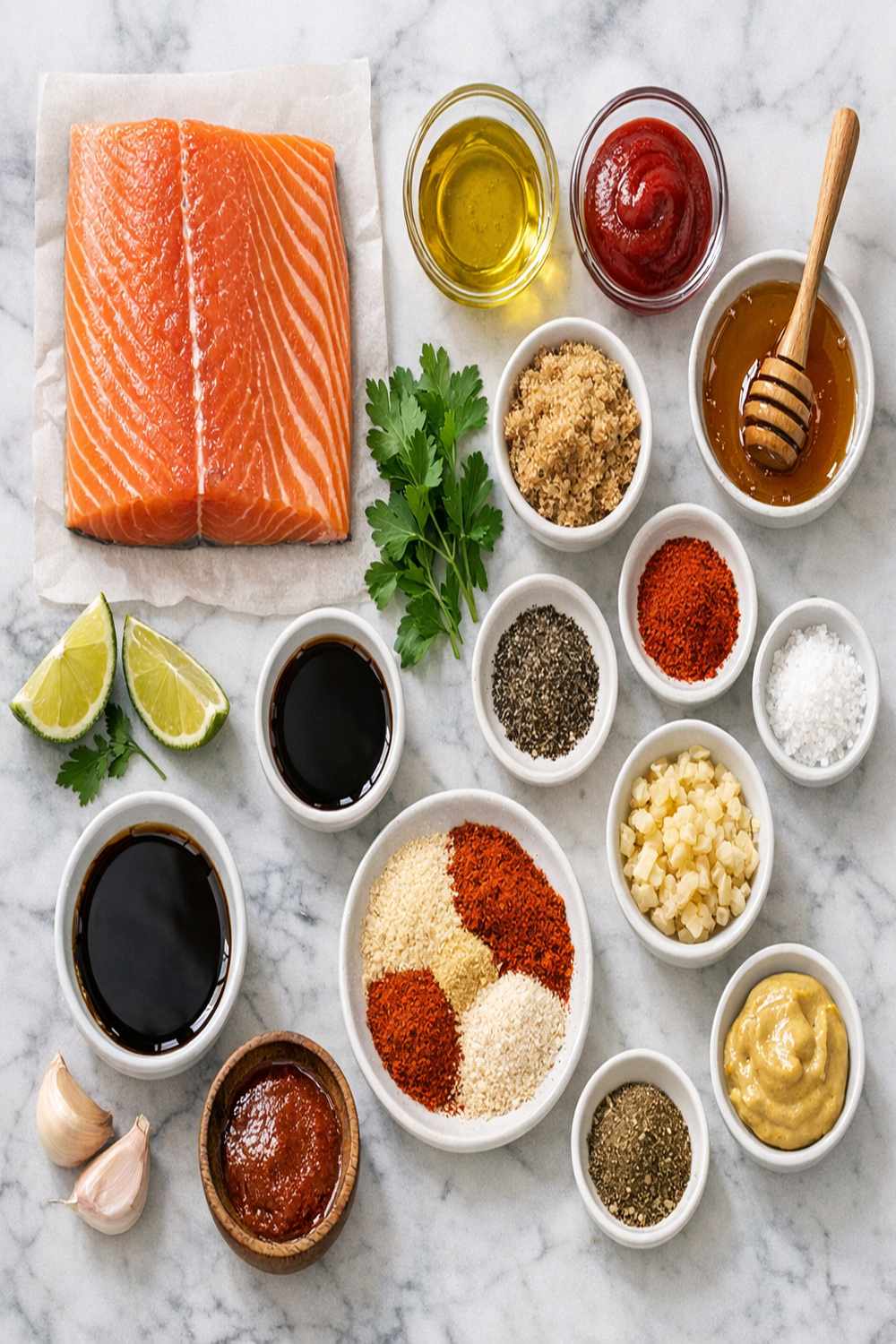
I keep this ingredient list short on purpose. The star here is the salmon itself, so choose the best quality you can find. Fresh is ideal, but high-quality frozen salmon (thawed properly) works beautifully too. Everything else is about supporting that star without overshadowing it.
- 1 pound salmon fillet (skin-on or skinless, cut into individual portions if you prefer)
- 1 tablespoon extra-virgin olive oil (or any neutral oil with a high smoke point)
- ⅓ cup barbecue sauce (plus more for serving, adjust to your taste preference)
- 1 tablespoon fresh lemon juice (optional but brightens the final dish)
- ½ teaspoon smoked paprika (adds depth without extra effort)
- 1 teaspoon kosher salt (divided between both sides)
- ½ teaspoon black pepper (divided between both sides)
Serves: 2-3 people as a main course, depending on portion size and what you’re serving alongside it.
How to Make BBQ Salmon Recipe?
The process is straightforward, but I’m going to walk you through each step with the kind of detail that makes the difference between okay salmon and the kind people ask for again.
Step 1: Position Your Broiler and Prep Your Sheet Pan
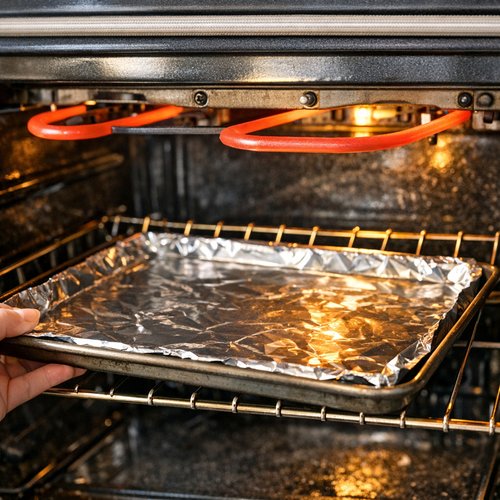
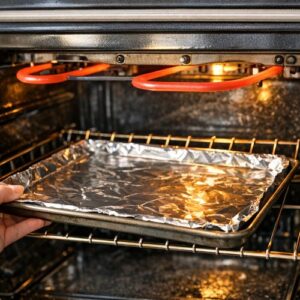
Move your oven rack to the highest position, right near the broiler element. This is crucial because you want the intense, direct heat close to your salmon. Turn on the broiler and let it preheat for about 2-3 minutes.
While that’s happening, grab a rimmed baking sheet (the sides help catch any drips) and lightly coat the center with your tablespoon of olive oil. Spread it across an area large enough to accommodate your salmon pieces. You want just enough to prevent sticking—not a puddle.
Step 2: Season Your Salmon Strategically
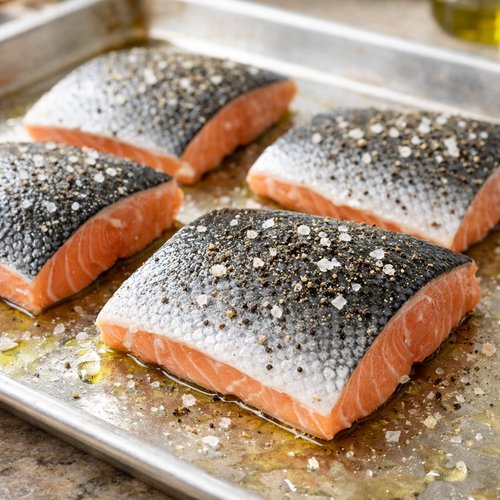
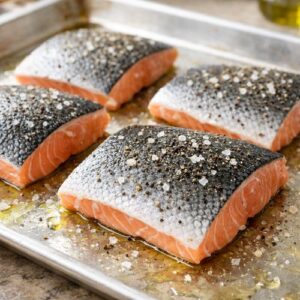
Place your salmon skin-side up on the oiled baking sheet. Now, sprinkle half of your salt and a quarter of your black pepper across the skin side. This might seem counterintuitive since you won’t be eating the skin, but it seasons the surface and helps it develop texture.
Flip the salmon skin-side down so the flesh is facing up. This is where the magic happens. Season this side with the remaining salt and pepper. Grind the pepper fresh if you can—pre-ground loses its punch. You want to see black specks distributed across the coral-pink flesh.
Step 3: Apply Your First BBQ Glaze
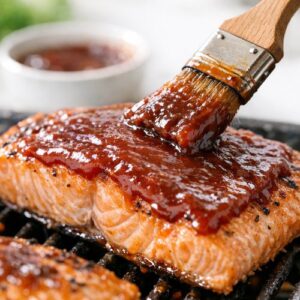
Don’t bother measuring out exactly two tablespoons of BBQ sauce. Grab a brush or spoon and apply a generous layer across the top of the salmon. You want it thick enough that you can see the sauce coating the fish, but not so much that it pools and slides off.
If your sauce seems especially thick, you can thin it slightly with a teaspoon of water or lemon juice, but most store-bought sauces have the right consistency already. The paprika gets sprinkled on now too—just a light dusting over that first layer of sauce.
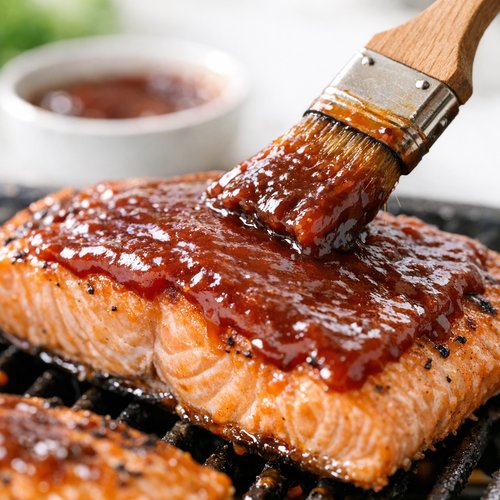
Step 4: First Broil—3 Minutes
Slide your baking sheet onto the top rack and close the door most of the way (leave it slightly ajar—this helps heat circulate and prevents the sauce from burning while the fish cooks). Set a timer for exactly 3 minutes.
During this time, the bottom of the salmon will start setting, and the sauce will begin to bubble slightly at the edges. You might smell something incredible. That’s normal. Don’t panic. Check on it if you want—that’s not bad technique, that’s just being thorough.
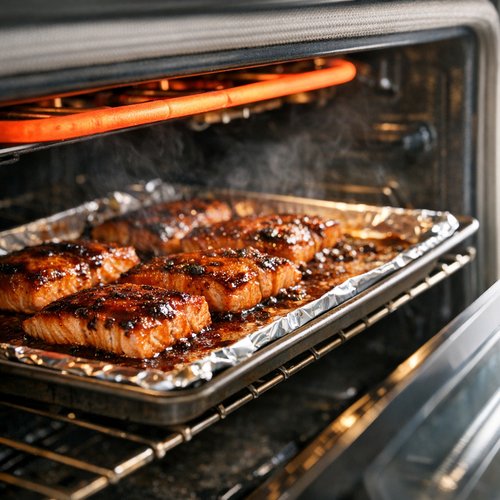
Step 5: Second Glaze and Second Broil—3 Minutes
When the timer goes off, pull out your baking sheet carefully (the handle might be hot, so use an oven mitt). Brush another layer of BBQ sauce across the top. This time you’re building layers—that’s what creates that glossy, caramelized finish.
Slide it back under the broiler for another 3 minutes. The edges should start looking slightly darker, almost like they’re getting a little char. The sauce is darkening and becoming more concentrated.
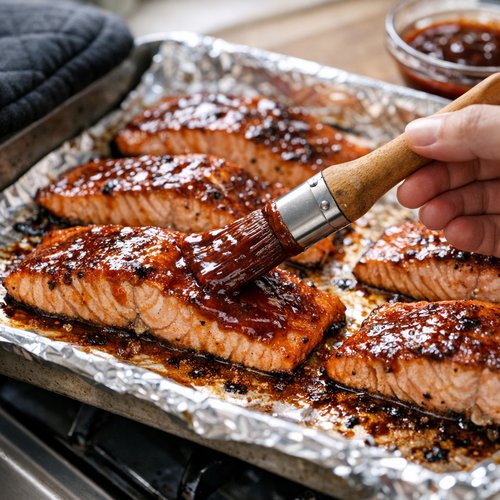
Step 6: Final Glaze and Third Broil—3-4 Minutes
Remove the baking sheet again and apply one more layer of BBQ sauce. This is your final coat. Broil for 3 to 4 more minutes this time. Watch carefully. The fish is getting close to done, and you want to catch it at that perfect point where the flesh is opaque but still moist inside.
The total broiling time is usually 9-10 minutes, though this can vary depending on the thickness of your salmon and how powerful your broiler is.
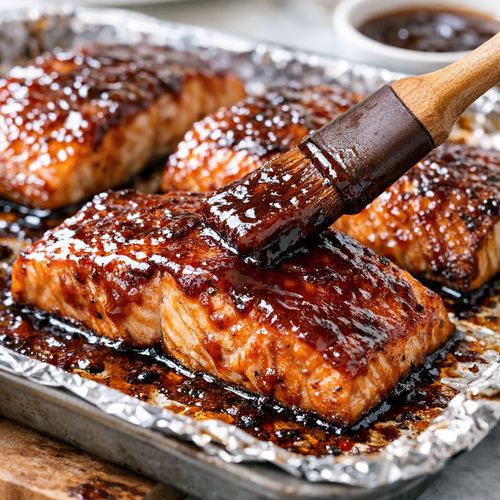
Step 7: Check for Doneness and Serve
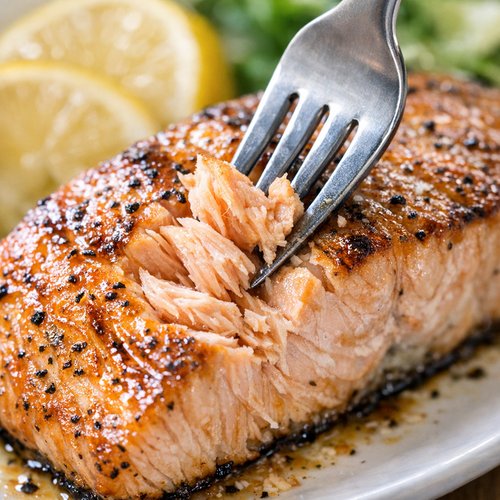
Here’s the test I use: gently press a fork into the thickest part of the salmon and twist slightly. The flesh should flake apart easily into distinct pieces. If it still feels dense and doesn’t want to separate, give it another minute or two under the broiler.
The USDA food safety standard for salmon is an internal temperature of 145°F. If you have a meat thermometer, use it. That takes the guesswork out completely.
Transfer your salmon to a serving plate. Drizzle extra BBQ sauce over the top if you like (I always do). Let it rest for just a minute or two before eating. It stays warm, and you won’t burn your mouth on hot fish.
Expert’s Nutritional Insight
As a registered dietitian, I want you to understand why salmon deserves a regular spot on your table. One serving of this recipe provides approximately 2,000 milligrams of omega-3 fatty acids—specifically EPA and DHA, the types your brain and heart actually recognize and use.
These aren’t just buzzwords on a supplement bottle. Real, documented research shows that people who eat fatty fish like salmon twice a week have better cardiovascular outcomes and potentially lower inflammation markers. That’s not me being preachy—that’s just the science.
The BBQ sauce does add some sugar, sure. A typical tablespoon has about 4-5 grams. But because we’re using roughly ⅓ cup of sauce split between 2-3 servings, you’re looking at maybe 5-7 grams of added sugar per serving—completely reasonable for a main course, especially when you’re getting all those beneficial fats alongside it.
Make-Ahead Guide
I’m a huge fan of prepping when I have time so dinner doesn’t stress me out. Here’s how I’d handle this recipe if I wanted to prep ahead:
The day before: Pat your salmon dry with paper towels and place it skin-side down on a baking sheet lined with parchment. Season it with salt and pepper, cover loosely with plastic wrap, and refrigerate. Mix your BBQ sauce with the paprika in a small bowl. Covered, this keeps for about 2 days.
The morning of: Keep everything exactly where it is in the fridge until about an hour before cooking. Cold fish cooks more evenly than room-temperature fish, so don’t take it out early.
Right before cooking: Just brush on your sauce and broil. You’re looking at the exact same cooking time. Nothing changes because you prepped ahead.
Tips and Tricks
- Pat your salmon completely dry – Moisture on the surface prevents the sauce from adhering properly and keeps the fish from developing that slightly crispy edge. Use paper towels and don’t skip this step.
- Leave your broiler door slightly ajar – This is an old-school trick that prevents the broiler from cycling on and off repeatedly. It also helps the sauce caramelize instead of burn.
- Invest in one decent broiler-safe brush – A silicone brush works best for high heat and is easier to clean than bristles that shed into your food. Keep it right by your stove.
- Room-temperature sauce applies more easily – If your BBQ sauce has been sitting in a cold fridge, let it sit on the counter for 10 minutes before using it. Thick, cold sauce is harder to spread evenly.
- Don’t flip the salmon – I see people do this and it breaks my heart. You’re cooking skin-side down the entire time. Flipping introduces the risk of the fish falling apart and undoes all your careful work.
- Squeeze of fresh lemon right at the end – If you want to bump up the flavor without changing anything, a quick squeeze of lemon juice over the finished salmon brightens everything beautifully. The acidity cuts through the richness of the fish and the sweetness of the sauce.
Common Mistakes to Avoid
Mistake #1: Starting with a cold baking sheet. If your pan isn’t hot when the salmon hits it, the fish sticks and the bottom doesn’t develop properly. The oil coating and the high broiler heat work together to create that sear. Cold pan equals sad salmon.
Mistake #2: Using only one coat of sauce. I know it seems like more work, but those three applications are what create the glossy, caramelized finish. One coat just sits there and doesn’t develop that depth of flavor. The layers matter.
Mistake #3: Overcooking because you’re nervous. The biggest mistake I see people make is leaving salmon under the broiler too long because they’re worried it’s not done. Salmon continues cooking for a minute or two after you remove it from heat (called carryover cooking). Pull it out when it’s almost there, not when it’s already flaking apart.
Mistake #4: Forgetting to account for thickness variation. If your salmon isn’t uniform in thickness, the thin parts cook faster than the thick parts. Consider cutting thick fillets into more even pieces or folding the thin tail end underneath to create a more consistent thickness across the piece.
Seasonal Variations
Spring version: Add a tablespoon of maple syrup to your BBQ sauce and finish with fresh dill. Maple brings out the natural sweetness of spring salmon beautifully.
Summer version: Mix your BBQ sauce with a tablespoon of hot sauce or sriracha. Top with fresh cilantro right before serving. The heat plays nicely against the grill-like char from the broiler.
Fall version: Stir a teaspoon of Dijon mustard into your BBQ sauce and use smoked paprika (which I already included). This brings out deeper, almost autumnal flavors that feel right for the season.
Winter version: Add a pinch of cinnamon and cayenne to your sauce. Sounds weird, I know. But that warmth paired with the BBQ flavor and the richness of salmon is absolutely cozy. Trust me on this one.
Can I Store BBQ Salmon Recipe?
Yes, and I’m glad you asked because proper storage means you can actually have leftovers without them tasting sad.
Refrigerator: Place cooled salmon in an airtight container and store for up to 3 days. Salmon oxidizes quickly once exposed to air, so truly seal that container. Foil doesn’t count.
Freezer: Wrapped well in plastic wrap and then placed in a freezer bag, it keeps for up to 2 months. The quality is best within the first month, though. Thaw in the refrigerator overnight before eating.
How to reheat: I reheat at 350°F for about 8-10 minutes, covered with foil to prevent drying. Some people eat it cold straight from the fridge, and honestly? It’s actually good that way too. Makes a great addition to salads or grain bowls the next day.
Pro tip: Store any leftover sauce separately. It keeps longer on its own and won’t make the salmon soggy overnight.
Nutrition Information
Per serving (based on 2.5-ounce portion with sauce, per USDA FoodData Central):
- Calories: 285-310
- Protein: 28-32 grams
- Fat: 14-16 grams (mostly healthy unsaturated fats)
- Omega-3 fatty acids: 1,500-2,000 mg
- Carbohydrates: 8-10 grams (mostly from BBQ sauce)
- Sodium: 680-750 mg
- Vitamin D: 500-600 IU
- Selenium: 35-40 micrograms
This is a genuinely nutrient-dense meal. The protein-to-calorie ratio is excellent, the fats are the kind your body recognizes and uses, and you’re getting minerals like selenium that most people don’t get enough of. Pair this with some vegetables, and you’ve got a legitimately balanced dinner.
What Can I Serve With BBQ Salmon Recipe?
The beauty of this recipe is that it plays nicely with both light sides and heartier ones. You can go super simple or build a bigger plate depending on what you’re in the mood for.
If you want something quick, roasted broccoli with a squeeze of lemon takes about the same time as the salmon cooks. A simple green salad with vinaigrette is always welcome. If you’re looking for something more substantial, consider pairing this with sides that won’t compete with the BBQ flavor.
- Roasted sweet potato wedges – The natural sweetness complements the BBQ sauce without overwhelming it. Toss with a touch of olive oil, salt, and pepper.
- Cilantro-lime rice – The brightness of lime and cilantro balances the richness of the salmon. This is especially good if you’ve added hot sauce to your BBQ glaze.
- Creamy coleslaw – The cooling effect of the dressing contrasts beautifully with the warm, sweet BBQ glaze. Make it with Greek yogurt instead of mayo for a lighter touch.
- Grilled or roasted asparagus – Simple, elegant, and doesn’t steal the spotlight from the salmon. A squeeze of lemon is all it needs.
- Quinoa with roasted vegetables – If you need the meal to feel extra substantial, try my bean and quinoa recipe as a base and build around the salmon as your protein.
- Crusty bread or dinner rolls – For using up extra BBQ sauce and making the meal feel more complete without much effort on your part.
Substitutes
- Different types of fish – Thick white fish like halibut or cod works, but watch timing carefully since they’re leaner. You might want to add a thin layer of oil under the sauce to prevent drying. Mackerel or trout also work beautifully and have that omega-3 benefit salmon does.
- Chicken instead of salmon – Boneless, skinless chicken breasts take about 12-15 minutes total (watch them more carefully—they dry out faster). Want more details? Check out my BBQ chicken baked in oven recipe for the full approach.
- Homemade BBQ sauce – Store-bought is fine, but if you want to make your own, combine ketchup, apple cider vinegar, a touch of maple syrup, Worcestershire sauce, smoked paprika, and garlic powder. Adjust seasonings to taste. Homemade keeps in the fridge for about a week.
- Honey or maple syrup instead of regular BBQ sauce – If you want something less tomato-forward, mix honey with Dijon mustard, a touch of soy sauce, and smoked paprika. It’s different but equally delicious.
- Sugar-free BBQ sauce – Swap in your favorite brand if you’re watching sugar intake. The cooking method stays exactly the same. The caramelization might look slightly different, but the result is still delicious.

Bbq Salmon Recipe
Ingredients
Method
- Move your oven rack to the highest position, right near the broiler element. This is crucial because you want the intense, direct heat close to your salmon. Turn on the broiler and let it preheat for about 2-3 minutes. While that's happening, grab a rimmed baking sheet (the sides help catch any drips) and lightly coat the center with your tablespoon of olive oil. Spread it across an area large enough to accommodate your salmon pieces. You want just enough to prevent sticking—not a puddle.
- Place your salmon skin-side up on the oiled baking sheet. Now, sprinkle half of your salt and a quarter of your black pepper across the skin side. This might seem counterintuitive since you won't be eating the skin, but it seasons the surface and helps it develop texture. Flip the salmon skin-side down so the flesh is facing up. This is where the magic happens. Season this side with the remaining salt and pepper. Grind the pepper fresh if you can—pre-ground loses its punch. You want to see black specks distributed across the coral-pink flesh.
- Don't bother measuring out exactly two tablespoons of BBQ sauce. Grab a brush or spoon and apply a generous layer across the top of the salmon. You want it thick enough that you can see the sauce coating the fish, but not so much that it pools and slides off. If your sauce seems especially thick, you can thin it slightly with a teaspoon of water or lemon juice, but most store-bought sauces have the right consistency already. The paprika gets sprinkled on now too—just a light dusting over that first layer of sauce.
- Slide your baking sheet onto the top rack and close the door most of the way (leave it slightly ajar—this helps heat circulate and prevents the sauce from burning while the fish cooks). Set a timer for exactly 3 minutes. During this time, the bottom of the salmon will start setting, and the sauce will begin to bubble slightly at the edges. You might smell something incredible. That's normal. Don't panic. Check on it if you want—that's not bad technique, that's just being thorough.
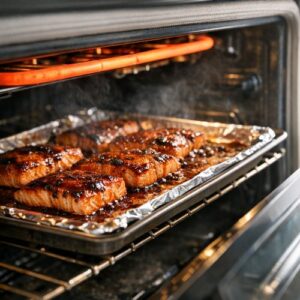
- When the timer goes off, pull out your baking sheet carefully (the handle might be hot, so use an oven mitt). Brush another layer of BBQ sauce across the top. This time you're building layers—that's what creates that glossy, caramelized finish. Slide it back under the broiler for another 3 minutes. The edges should start looking slightly darker, almost like they're getting a little char. The sauce is darkening and becoming more concentrated.
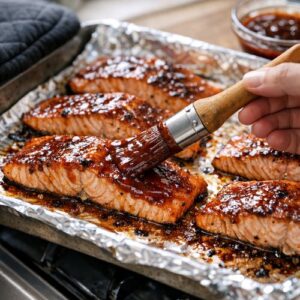
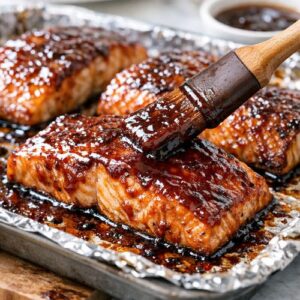
- Remove the baking sheet again and apply one more layer of BBQ sauce. This is your final coat. Broil for 3 to 4 more minutes this time. Watch carefully. The fish is getting close to done, and you want to catch it at that perfect point where the flesh is opaque but still moist inside. The total broiling time is usually 9-10 minutes, though this can vary depending on the thickness of your salmon and how powerful your broiler is.
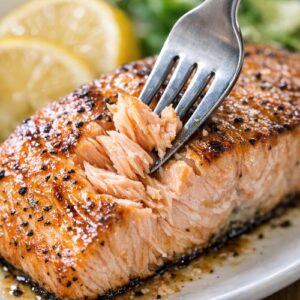
- Here's the test I use: gently press a fork into the thickest part of the salmon and twist slightly. The flesh should flake apart easily into distinct pieces. If it still feels dense and doesn't want to separate, give it another minute or two under the broiler. The USDA food safety standard for salmon is an internal temperature of 145°F. If you have a meat thermometer, use it. That takes the guesswork out completely. Transfer your salmon to a serving plate. Drizzle extra BBQ sauce over the top if you like (I always do). Let it rest for just a minute or two before eating. It stays warm, and you won't burn your mouth on hot fish.
Nutrition
Notes
Tried this recipe?
Let us know how it was!FAQs
Can I cook this salmon on an actual grill instead of using the broiler?
Absolutely. Preheat your grill to medium-high heat (around 400°F) and place the salmon skin-side up on an oiled grate. Apply your first coat of sauce and cook for about 4-5 minutes. Flip carefully, apply another coat of sauce, and cook for 4-5 minutes more until the flesh flakes easily.
The timing is a bit longer than broiling, but the method is similar. You’re applying sauce in stages and watching for that fork-flake test. Just be more careful with flipping—grilling salmon is trickier than broiling because the fish can stick or break apart more easily. Oil your grate thoroughly and consider using a fish grilling basket if you’re nervous.
What if my salmon is frozen when I remember I need to cook dinner?
Don’t panic. Thaw it in cold water for about 30-45 minutes, or place it in the refrigerator in the morning if you’re thinking ahead (thawed by dinner). You can technically cook frozen salmon directly, but it takes longer (maybe 15-18 minutes total) and the cooking is less even because the outside heats up faster than the inside.
If you absolutely must cook it frozen, add about 5 minutes to the total cooking time and check for doneness more frequently. Pat it very dry before cooking since ice crystals release water that prevents browning.
Is there a way to make this without a broiler?
You can use a regular oven set to 425-450°F. Place your prepared salmon on a baking sheet and bake for about 12-15 minutes instead of broiling. The results won’t have quite the same caramelized glaze on top because regular oven heat is gentler and comes from all sides.
If you go this route, apply your sauce coats at the 3-minute and 6-minute marks just like with broiling. The fish will still be delicious—you’ll just miss that slightly charred, caramelized top that makes broiling special.
Why does my salmon come out dry sometimes?
The most common reason is overcooking, but there are a few culprits. First, thinner pieces cook faster than thick ones, so aim for relatively uniform thickness. Second, some salmon varieties are naturally leaner than others. Atlantic farmed salmon is usually higher in fat than wild-caught varieties, which means it’s more forgiving.
Third, make sure you’re actually removing it from the broiler at the right time. The fork-flake test should show some resistance—the fish shouldn’t fall apart at the slightest touch. And finally, the BBQ sauce helps keep things moist, so don’t skimp on it. That glaze does important work beyond just flavor.
Can I make this recipe for a crowd, like for a dinner party?
Definitely, but here’s the thing: broilers have limited space. You can fit maybe two salmon fillets comfortably on a standard home broiler without crowding, which means they won’t cook evenly.
For a crowd, I’d suggest roasting at 425°F instead (12-15 minutes total) and giving yourself more oven real estate. Apply sauce the same way—at the 3, 6, and 9-minute marks—and you can fit multiple sheet pans in the oven at once. You lose the intense broiler char, but the salmon cooks beautifully and you can feed 8-10 people without stress.
What’s the difference between BBQ sauce and other condiments I could use?
BBQ sauce is specifically designed to be brushed onto protein and caramelize under heat. That sweetness is intentional—it’s meant to glaze and darken. Regular tomato sauce, which lacks that sugar content, won’t create the same glossy, caramelized finish.
That said, you could use teriyaki sauce, hoisin, or even a spicy hot sauce if you want something different. The method stays the same; you’re just swapping the flavor profile. Teriyaki would give you an Asian-inspired version. Hoisin brings a more savory-sweet complexity. Hot sauce would make it spicy. All work beautifully—just adjust the number of coats based on how thick your sauce is.
More Recipes You’ll Love
- Barbecue Chicken Recipe With Barbecue Sauce – Another incredibly quick protein that uses the same BBQ glaze technique but with chicken thighs instead of fish.
- Ahi Recipe – If you love the clean simplicity of broiled fish but want something different, this seared ahi preparation is absolutely stunning.
- Bean Rice Cheese Burrito Recipe – For nights when you want something warm, comforting, and vegetarian to balance out all your seafood nights.
Final Thoughts
This BBQ salmon recipe has genuinely changed how I think about weeknight cooking. It proved to me that impressive doesn’t have to mean complicated. That something can be fast and still taste like you put real care into it.
I keep coming back to it because it always works, it always tastes good, and it always makes me feel like I’m taking care of myself while also treating myself. That’s the sweet spot, isn’t it? The place where health and enjoyment actually overlap.
So pull out that broiler. Get yourself some good salmon. Mix up some BBQ sauce. You’ve got this. It’s going to be delicious.
Happy cooking!