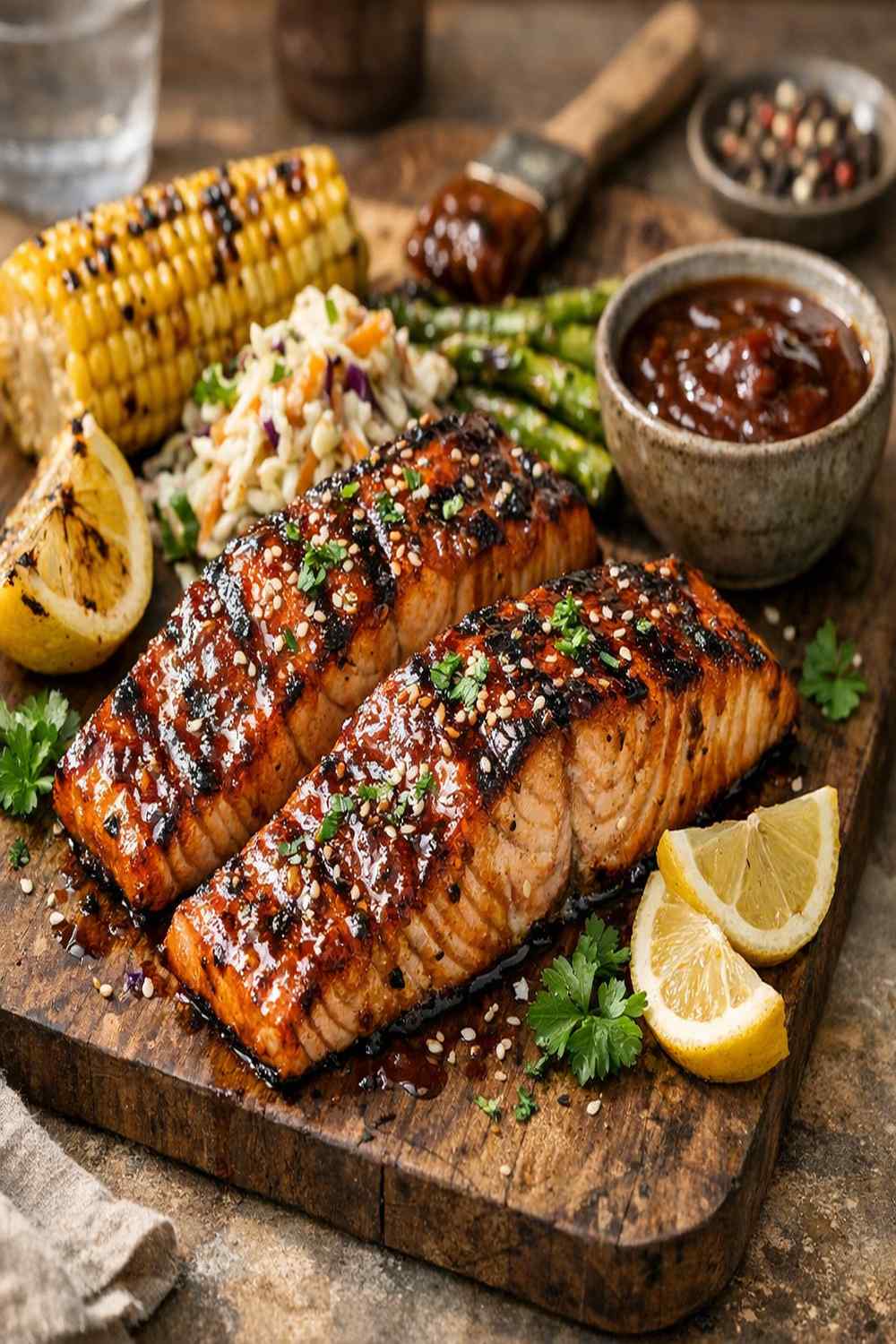

Ingredients
Method
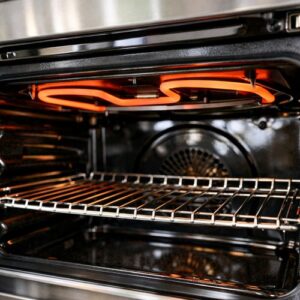
Step 1: Get Your Oven Ready
- Move your oven rack to the highest position, as close to the broiler element as possible. Turn your broiler on to high and let it preheat for about 3-5 minutes. You want it genuinely hot. While that's warming, take your salmon out of the fridge so it's closer to room temperature—this helps it cook more evenly.
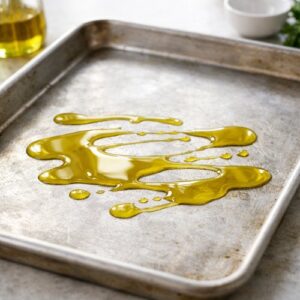
Step 2: Prepare Your Pan
- Grab a rimmed baking sheet (the sides matter here—they catch drips). Drizzle the olive oil across the center in enough of a surface area to hold your salmon. If you're using a whole fillet, you might need to tilt the pan slightly to spread the oil around. This prevents sticking and adds richness to the finished dish.
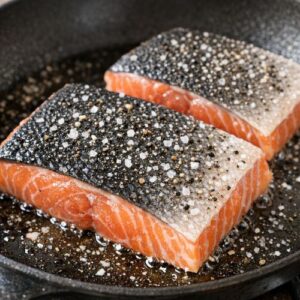
Step 3: Season Both Sides
- Place your salmon skin side up on the oiled pan. Sprinkle half of your salt (about ½ teaspoon) and a quarter of the black pepper across the skin side. Now flip it over so the skin side is down and the flesh side is facing up. Season that side with the remaining salt and pepper. Don't underseasoning this—salt enhances the fish's natural flavor and helps it stay moist.
Step 4: Apply the First Glaze
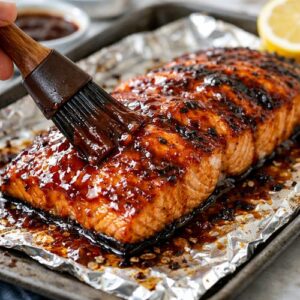
- Using a pastry brush or the back of a spoon, spread about one-third of your BBQ sauce across the top of the salmon. Don't worry about measuring exactly—this is about intuition. You want it thick enough that it'll caramelize but not so thick that it burns. If you're adding the honey or maple syrup, mix it into your sauce now for added depth.
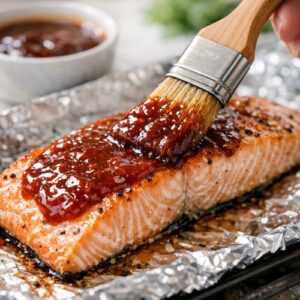
Step 5: First Broil
- Place your pan on the top oven rack under the preheated broiler. Keep the oven door slightly ajar—this helps heat circulate and prevents the exterior from burning before the inside cooks through. Broil for exactly 3 minutes. You'll see the sauce begin to bubble and darken slightly at the edges.
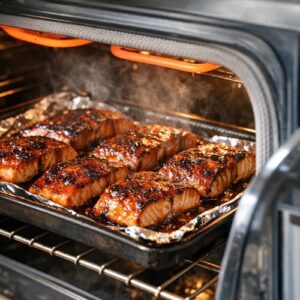
Step 6: Apply Second Layer of Sauce
- Carefully pull the pan out (watch for steam!) and brush another layer of BBQ sauce across the top. This second layer will create more depth and help build that glossy finish. Get it evenly distributed.
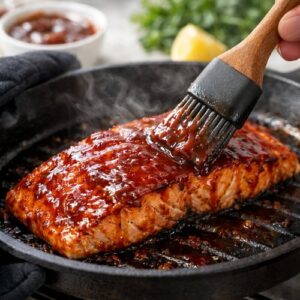
Step 7: Second Broil
- Return the pan to the broiler for another 3 minutes. The salmon should start flaking slightly at the edges if you test it gently with a fork. The sauce will deepen in color.
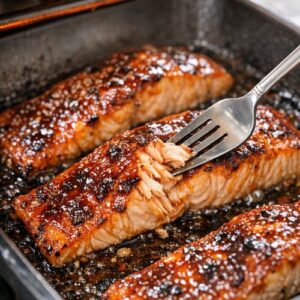
Step 8: Final Glaze and Cook
- Pull it out once more and brush with a final layer of sauce. Return to the broiler for 3 to 4 more minutes. This is where you check for doneness. The salmon is fully cooked when it flakes apart easily with a fork or reaches an internal temperature of 145°F when you check the thickest part with an instant-read thermometer. If your salmon is particularly thick or wasn't at room temperature, you might need an additional 2-3 minutes, but watch it carefully. Every broiler is different.
Step 9: Rest and Serve
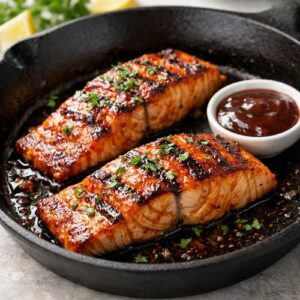
- Let the salmon sit on the pan for about 2 minutes before plating. This allows the residual heat to finish cooking the very center. Serve with extra BBQ sauce on the side if you want, and get it to the table while it's still warm. The glaze will firm up slightly as it cools.
Nutrition
Notes
- Brush in the oven, not before - Applying all the sauce at once before broiling leads to burning. Multiple thin layers build flavor and prevent charring
- Leave the door cracked - This sounds weird, but it prevents the top from cooking too fast while the inside stays cold
- Use room temperature salmon - Pull it from the fridge 10 minutes before cooking so the interior cooks through at the same pace as the exterior
- Quality BBQ sauce matters more than you think - I prefer sauces without high fructose corn syrup because they caramelize better and taste cleaner
- Pat salmon dry before seasoning - Moisture prevents the seasonings from sticking and helps create that nice crust
- Don't peek constantly - Every time you open the broiler, heat escapes and cooking time extends. Check at 3-minute intervals only