
Ingredients
Method
Step 1: Get Your Water Boiling
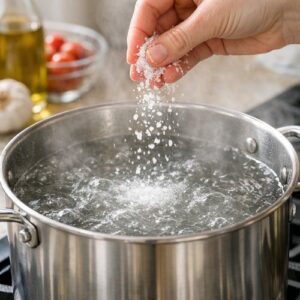
- Fill a large pot with water and add a good pinch of kosher salt—we're talking about as much salt as a handful of chips. I know it seems like a lot, but this is your only chance to season the pasta itself. Bring it to a rolling boil, which should take about 8-10 minutes depending on your stove. While you're waiting for that water, move to the next step. No point in standing around.
Step 2: Build Your Bruschetta Bowl
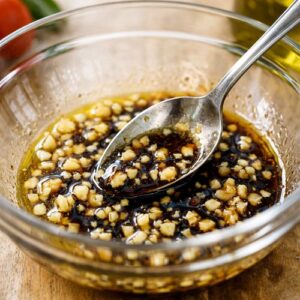
- In a large mixing bowl, add your minced garlic, the ¼ cup of extra-virgin olive oil, and the balsamic vinegar. Stir these three together and let them sit for just a minute. The olive oil will start warming the garlic slightly, releasing its aromatic compounds (I'm not using that word lightly—this is where the flavor magic begins). Now add your chopped tomatoes, fresh basil, shredded parmesan, kosher salt (about ½ teaspoon), and black pepper (about ¼ teaspoon). Give everything a gentle stir—don't mash the tomatoes, just toss it all together. Set this aside and let it hang out. The tomato juice will start releasing into the oil, creating this beautiful liquid that's going to become your sauce. Stir it occasionally while you cook the pasta.
Step 3: Cook Your Pasta to Al Dente
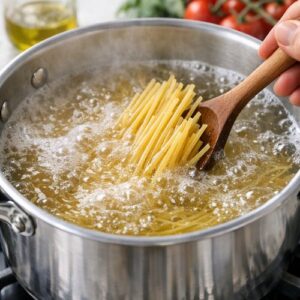
- Once your water is at a rolling boil, add your 8 ounces of pasta. Give it a stir immediately so nothing sticks together. Follow the package directions, but start checking for doneness about one minute before the time suggests. You want it al dente—tender but still with a slight firmness when you bite it. That texture matters here because the pasta will continue softening slightly once it hits that warm bruschetta mixture. Here's my trick: use a slotted spoon to fish out a piece and taste it. When it's perfect, you'll know.
Step 4: Combine Pasta With Bruschetta
- When your pasta is done, use a slotted spoon to transfer it directly from the hot water into your bruschetta bowl. Some of that hot pasta water will cling to the noodles—that's intentional. It helps blend everything together beautifully. If you prefer, you can drain your pasta in a colander, but then reserve about ¼ cup of that starchy pasta water and stir it in. The starch helps create a light, cohesive sauce instead of everything just sitting separately.
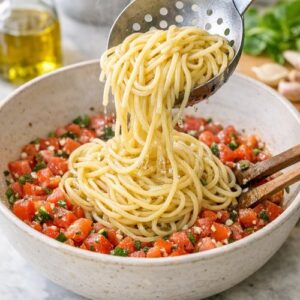
Step 5: Let It Rest and Thicken
- Give everything a good toss, then let it sit for about 5 minutes. I know that feels weird—like you should serve it immediately—but trust me. This rest time lets the pasta absorb all those fresh flavors. The starch from the pasta will slightly thicken everything, creating a light sauce that clings to the noodles instead of pooling at the bottom of the bowl. Stir it occasionally during this rest. Taste it. Add more salt, pepper, or basil if you want. This is your moment to adjust.
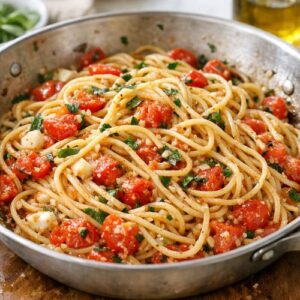
Step 6: Serve and Enjoy
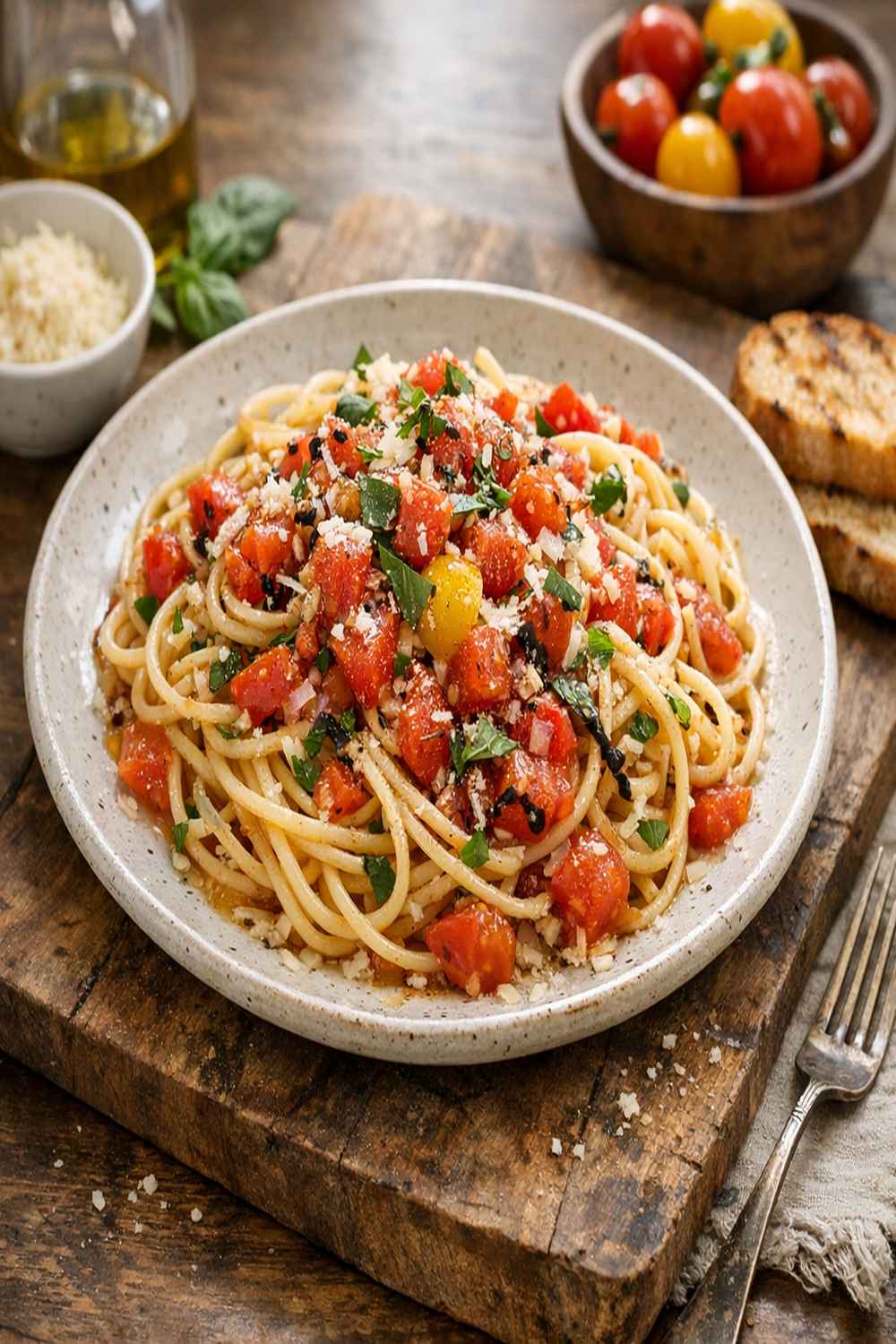
- Divide into bowls and top with extra fresh basil, a little more parmesan, and a crack of black pepper. If you want to get fancy, add a small drizzle of good olive oil and a few red pepper flakes. Serve immediately while it's still warm. This dish is best fresh, though leftovers are surprisingly good cold as a pasta salad.
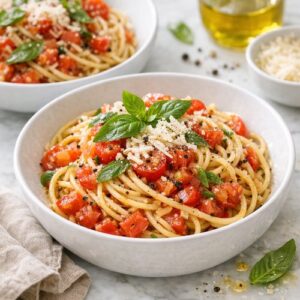
Nutrition
Notes
- Use the ripest tomatoes you can find - This whole recipe lives and dies by your tomato quality. Go to a farmer's market if you can. They should smell sweet and yield slightly to pressure. Pale, mealy supermarket tomatoes won't give you the same result.
- Don't skip the pasta water - That starchy water is an emulsifier. It helps bring everything together instead of having greasy pasta with a puddle of oil at the bottom. Trust the pasta water.
- Cut your basil at the last possible moment - If you cut it too far ahead, it'll start to brown and develop a metallic taste. I usually cut it right after I put the pasta in the water.
- Taste as you go - This is fresh food, which means seasoning needs to be adjusted. What tastes good at 5 minutes might need more salt at serving time because the flavors shift.
- Use a good quality parmesan - Pre-shredded parmesan has anti-caking agents that make it grainy. Real parmigiano-reggiano shredded fresh makes a huge difference in the final texture.
- Keep the heat low when combining - If you mix hot pasta with a cold bowl and let it rest, the residual heat from the pasta gently warms everything without cooking the fresh basil or making the tomatoes mushy.