
Before diving into the specifics of a Korean beef bowl, let me share some ideas on what complements this dish perfectly. If you’re eyeing this savory delight, consider pairing it with a side of steamed edamame. The soft, buttery texture provides a nice contrast.
Another great pairing is a simple cucumber salad dressed with rice vinegar and sesame seeds. This adds a refreshing crunch that balances the richness of the beef. For a heartier option, serve it alongside some fluffy jasmine rice or sticky short-grain rice.
You might also enjoy some kimchi. Its tangy, spicy kick cuts through the savory notes of the beef, elevating the entire meal. Finally, don’t forget about a cold, crisp beverage. I recommend a chilled glass of ginger lemonade to cleanse your palate and tie all the flavors together.
You’ll Also Like These Recipes
A Tasty Journey: Discovering the Korean Beef Bowl
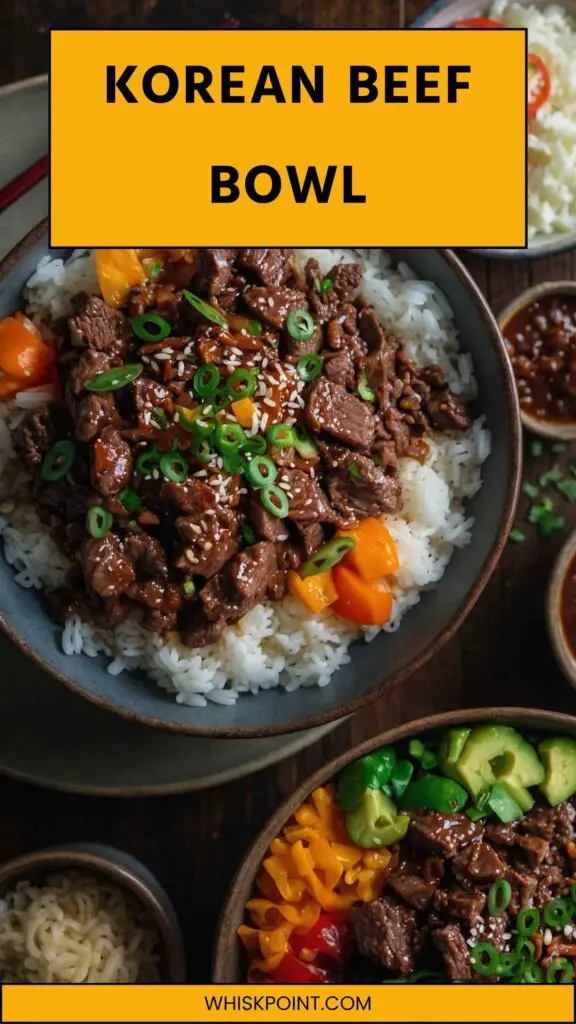
Ah, the Korean beef bowl. It’s a dish that tells a story of flavor, tradition, and creativity. Picture this: You walk into a bustling kitchen, the fragrant aroma of ginger and garlic drifting in the air. More than just a meal, this bowl is an experience—a delightful combination of savory beef, sweet and tangy sauce, warm rice, and vibrant vegetables.
As I began my culinary exploration, I uncovered the roots of this dish. Korean cuisine emphasizes harmony. The interplay of colors, flavors, and textures makes each bite worthy of celebration. When you think of Korean dishes, you might envision barbecue and kimchi, but the beef bowl elegantly weaves together many influences, showcasing the versatility of Korean cooking.
What Is a Korean Beef Bowl?
At its core, a Korean beef bowl is a comforting dish consisting of marinated beef, rice, and an assortment of toppings. Typically featuring ground beef seasoned with soy sauce, garlic, and ginger, it’s quick to prepare and incredibly satisfying. This dish can be customized endlessly, allowing you to add your favorite vegetables or side items, making it a popular choice for busy weeknights or meal prepping.
What Makes This Recipe Different?
Compared to traditional versions, my take on the Korean beef bowl minimizes prep time while maximizing flavor. I use fresh ginger and garlic for a punch of aroma and taste. The secret lies in the balance of sweet brown sugar and soy sauce that gives it that unique Korean flair. Most importantly, I like to layer textures in each bowl. Imagine biting into juicy ground beef against a backdrop of crispy vegetables—what a delight!
Many recipes call for marinated steak cooked to perfection, but this variation employs ground beef, which cooks fast and absorbs flavors beautifully. The beauty of this dish is adaptability. You can switch up the toppings based on what you have on hand.
How Does it Taste?
When you take your first bite, the taste of savory beef bursts through. The soy sauce adds depth and saltiness, while brown sugar plays an essential role in creating a sweet-savory contrast. Fresh ginger lends a fragrant, warming note, while the garlic gives a robust backbone to the dish. The textures are just as rewarding. Think tender beef, crunchy vegetables, and the nutty flavors from sesame oil—each element harmonizes to create a flavorful experience.
Ingredients You’ll Need
To create this enticing Korean beef bowl, gather the following ingredients:
1 pound lean ground beef: Choose a good quality beef for better flavor.
3 garlic cloves, finely minced: Fresh garlic is a must.
2 green onions, thinly sliced: Adds freshness and a pop of color.
¼ cup packed light brown sugar: For that sweetness we talked about.
¼ cup low-sodium soy sauce: The foundation of flavor.
1 tablespoon neutral vegetable oil: Canola or grapeseed works well.
2 teaspoons toasted sesame oil: This adds depth and nuttiness.
1 teaspoon freshly grated ginger: Brightness and zing.
1 tablespoon rice vinegar: For subtle acidity and balance.
½ teaspoon crushed red pepper flakes: Spice it up to your taste.
¼ teaspoon ground ginger powder: A touch of warmth.
Step-by-Step Instructions
Step 1: Cook the Ground Beef
Begin by heating a large skillet over medium heat. Once hot, add the vegetable oil and ground beef. Break the beef apart with a wooden spoon, cooking until browned. This should take around 5-7 minutes. Drain any excess fat to keep it lighter.
Step 2: Add Aromatics
Once the beef is cooked, incorporate the minced garlic and fresh ginger. Stir for about 1-2 minutes until they become fragrant. The aroma will fill your kitchen—trust me, you’ll be tempted.
Step 3: Create the Sauce
In a separate bowl, mix together the soy sauce, brown sugar, rice vinegar, and crushed red pepper flakes. Pour this mixture over the cooked beef, ensuring every piece is coated.
Step 4: Add Green Onions and Simmer
Toss in the green onions. Lower the heat and let everything simmer for about 3-5 minutes. This allows the flavors to meld together beautifully.
Step 5: Prepare Rice
While the beef is simmering, cook your choice of rice based on the package instructions. Short-grain rice is traditionally used, but feel free to adjust based on your preference.
Step 6: Serve and Enjoy
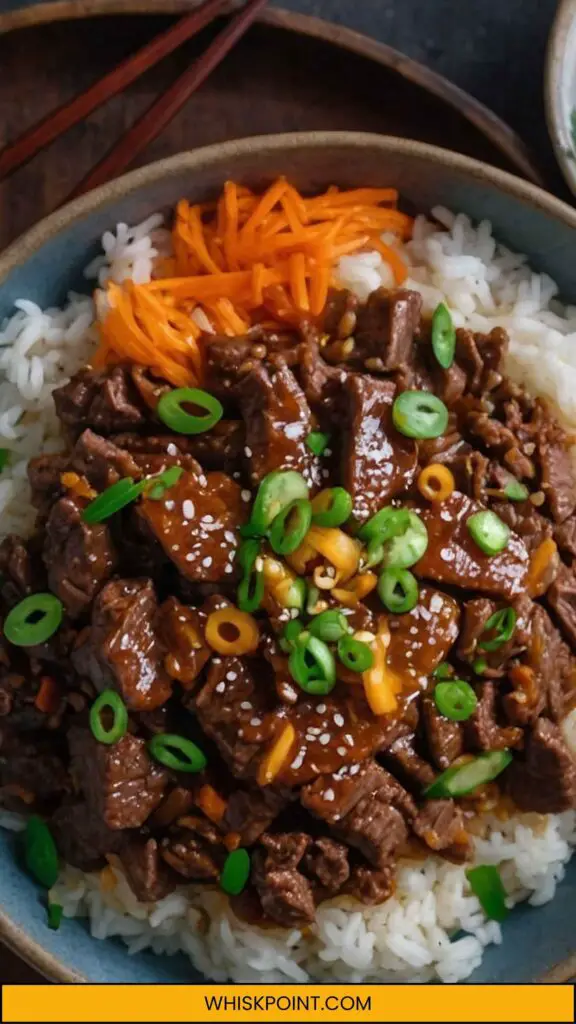
Spoon the beef mixture over a bed of rice. Drizzle with toasted sesame oil for a finishing touch. If you have some sliced cucumbers or shredded carrots, top the bowl for added crunch.
Tips & Tricks on Making Korean Beef Bowl
Creating the perfect Korean beef bowl doesn’t have to be complicated. Here are some handy tips:
Choose Lean Meat: Opt for at least 85% lean ground beef. It enhances flavor without excess grease.
Marinate for Depth: For those with extra time, marinate beef in soy sauce and ginger for up to an hour.
Customize Vegetables: Incorporate vegetables like bell peppers, broccoli, or carrots for added nutrition.
Adjust Heat Level: If you like it spicy, don’t hesitate to increase the crushed red pepper or add sliced chili peppers.
Make in Batches: Cook a larger quantity for easy meal prep. This dish stores well and reheats easily.
Nutrition Information
A single serving of Korean beef bowl typically contains:

These values may vary based on exact ingredients used. This dish is a good source of protein, making it ideal for fueling your day.
How Do I Store This Dish?
To store your leftovers, allow the beef mixture to cool completely. Transfer it to an airtight container and refrigerate for up to 3-4 days. When you’re ready to eat, reheat in the microwave or on the stovetop until warmed through. If you’ve prepared rice separately, store it in a different container to maintain its texture.

What Other Substitutes Can You Use?
If you can’t find ground beef or want a different flavor, consider the following options:
Ground Turkey: Leaner with a milder flavor, ground turkey is a healthy alternative.
Ground Chicken: This offers a similar texture and soaks up flavors well.
Tofu: For a vegetarian option, crumbled firm tofu absorbs the sauce nicely.
Lentils: Cooked lentils can provide the protein with a twist in texture for a vegan approach.
Pork: Ground pork is a delicious alternative, providing a richer taste.


Korean Beef Bowl Recipe
Ingredients
Equipment
Method
- Begin by heating a large skillet over medium heat. Once hot, add the vegetable oil and ground beef. Break the beef apart with a wooden spoon, cooking until browned. This should take around 5-7 minutes. Drain any excess fat to keep it lighter.
- Once the beef is cooked, incorporate the minced garlic and fresh ginger. Stir for about 1-2 minutes until they become fragrant. The aroma will fill your kitchen—trust me, you’ll be tempted.
- In a separate bowl, mix together the soy sauce, brown sugar, rice vinegar, and crushed red pepper flakes. Pour this mixture over the cooked beef, ensuring every piece is coated.
- Toss in the green onions. Lower the heat and let everything simmer for about 3-5 minutes. This allows the flavors to meld together beautifully.
- While the beef is simmering, cook your choice of rice based on the package instructions. Short-grain rice is traditionally used, but feel free to adjust based on your preference.
- Spoon the beef mixture over a bed of rice. Drizzle with toasted sesame oil for a finishing touch. If you have some sliced cucumbers or shredded carrots, top the bowl for added crunch.
Nutrition
Notes
Tried this recipe?
Let us know how it was!Frequently Asked Questions
1. Can I use different rice types for the Korean beef bowl?
Absolutely! While short-grain rice is traditional, any type of cooked rice works. Jasmine rice, brown rice, or even cauliflower rice for a low-carb approach would fit perfectly.
2. How spicy is the standard Korean beef bowl recipe?
The heat of the dish depends on your choice of crushed red pepper flakes. Feel free to adjust the spice level to your preference. If unsure, start with a lower amount.
3. Is this dish kid-friendly?
Yes! The flavors are appealing to most children. The sweetness of the brown sugar often resonates well with kids’ palates. Just adjust the heat if your little ones prefer milder flavors.
4. Can I make this dish ahead of time?
Definitely! You can prepare the beef and rice in advance and simply assemble just before serving. This makes it an excellent option for meal prepping or quick weeknight dinners.
5. What are good toppings for Korean beef bowls?
Popular toppings include sliced cucumbers, carrots, radishes, and sesame seeds. You can mix it up with your family’s favorites, whether that’s a fried egg, avocado, or crispy seaweed.
Conclusion
Salt, sweet, and a touch of spice—the Korean beef bowl is more than just a dish; it’s a story on a plate. It comes together in a flash, leaving you with endless possibilities for variation. Whether it’s the quick weeknight dinner you need or a meal prep hero, it ticks all the boxes.
By now, you’ve learned that comfort food can be a flavorful adventure. So gather your ingredients, get cooking, and enjoy a bowl of happiness that is as satisfying to make as it is to eat. You’ll delight in each bite. Now, grab a fork and dig in!