
I’m always looking for ways to get more omega-3 fatty acids into my diet, and baked haddock is one of my absolute favorite go-to meals. It’s elegant enough for company but simple enough for a Tuesday night. The best part? It pairs beautifully with so many sides—I often serve it alongside a hearty bean and quinoa recipe for extra protein and fiber, or sometimes I’ll keep it light with roasted vegetables and a fresh salad.
How I Fell in Love With Simple Fish Dinners
Growing up in New Hampshire, I have vivid memories of my grandmother pulling fresh haddock from the local fish market on Friday mornings. She’d season it simply—just salt, pepper, and whatever was growing in her garden that week. I remember watching her work, the way her hands moved with such confidence around the fish, how she’d taste-test the lemon she was about to use. I didn’t understand it then, but now I realize she was teaching me that the best meals don’t need to be complicated. They just need good ingredients and respect for their flavors.
Years later, as a registered dietitian, I’ve learned that haddock is one of the leanest, most nutrient-dense proteins available. Every time I make this recipe, I think of her and how she knew, without any formal nutrition training, that simple was best.
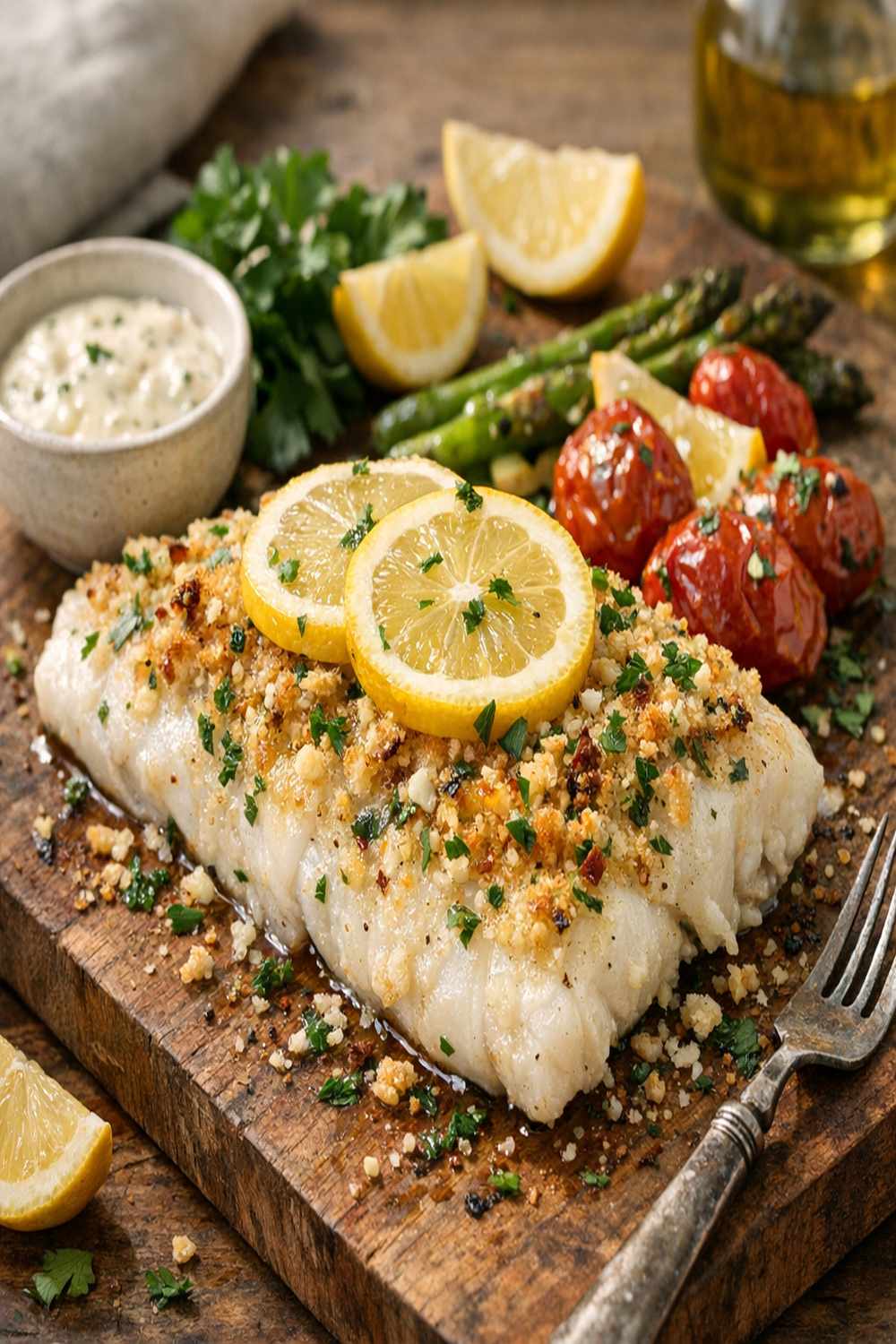
What is Baked Haddock Recipe?
Baked haddock is a classic preparation that comes straight from New England coastal cooking traditions. Haddock is a mild, delicate white fish that takes beautifully to gentle baking with fresh aromatics and bright citrus. What makes this version special is the simplicity—we’re letting the fish shine without heavy sauces or complicated techniques.
The beauty of this dish is that it’s naturally low in calories, high in lean protein, and packed with B vitamins and selenium. It cooks quickly at a high temperature, which keeps the flesh moist and tender while the skin gets just slightly crispy at the edges.
Why You’ll Love This Baked Haddock Recipe
- It’s genuinely healthy – We’re talking about 180 calories and 35 grams of protein per filet, with zero added sugar and minimal fat. This is real food that actually nourishes your body.
- Comes together in under 30 minutes – Prep time is maybe 10 minutes, baking time is 15 minutes. Perfect for busy weeknights when you still want something restaurant-quality.
- The lemon and tomato combination is pure magic – The acidity from both cuts through the richness of the fish beautifully, and the garlic becomes sweet and mellow as it bakes.
- One pan means minimal cleanup – Everything bakes together, so you’re not juggling multiple pots and pans. As someone who loves cooking but hates dishes, I appreciate this deeply.
- Naturally gluten-free and dairy-free – If you’re cooking for guests with dietary restrictions, this works perfectly without any substitutions needed.
- It looks impressive but tastes easy – Your family or guests will think you spent way more effort than you actually did. That’s the best kind of recipe in my book.
The Ingredients
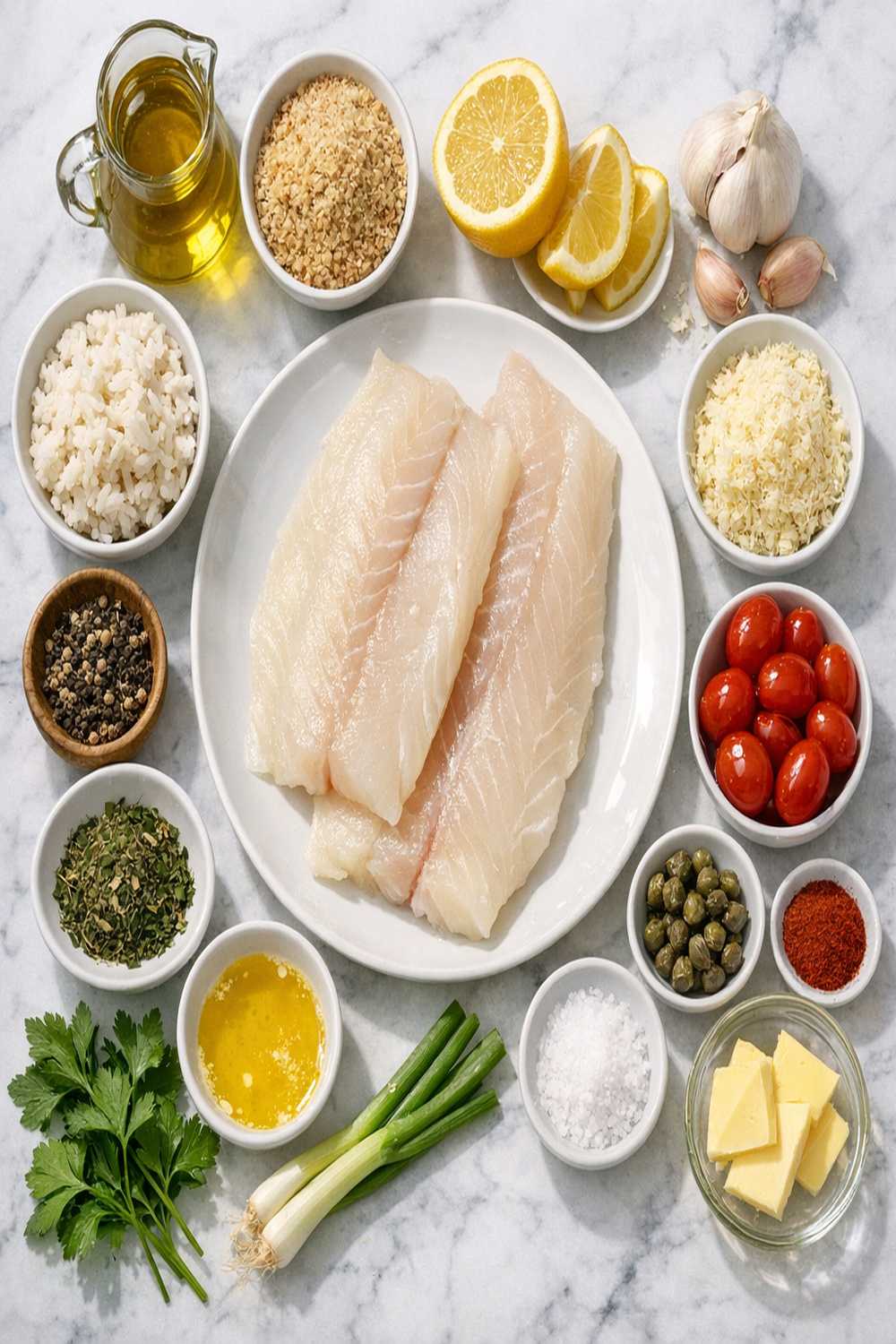
I’ve learned over my years in nutrition that the quality of your ingredients really does matter, especially with simple recipes where each component is so visible. You don’t need anything fancy here, but you do want everything to be fresh. Seek out haddock that smells like the ocean, not fishy. Get a lemon that feels heavy in your hand. Choose olive oil you actually enjoy the taste of. Here’s what you’ll need:
- 4 haddock filets (6 ounces each, skin-on or skinless depending on preference)
- 2 sprigs fresh thyme (or ½ teaspoon dried thyme if fresh isn’t available)
- ¼ teaspoon freshly ground black pepper
- ½ teaspoon sea salt (or kosher salt)
- ½ teaspoon red pepper flakes (optional, for a subtle kick)
- 2 cloves garlic (thinly sliced)
- 4 tablespoons extra virgin olive oil (divided)
- Zest of ½ lemon (for garnish)
- 1 cup cherry tomatoes (mixed colors if you can find them, halved)
- 1 large lemon (sliced into thin rounds, seeds removed)
Serves: 4 people | Prep time: 10 minutes | Cook time: 15 minutes
How to Make Baked Haddock Recipe?
This is where I want you to slow down a little. Even though it’s quick, taking your time with each step makes a real difference in the final result. Let’s walk through this together.
Step 1: Get Your Oven Ready and Prepare Your Pan
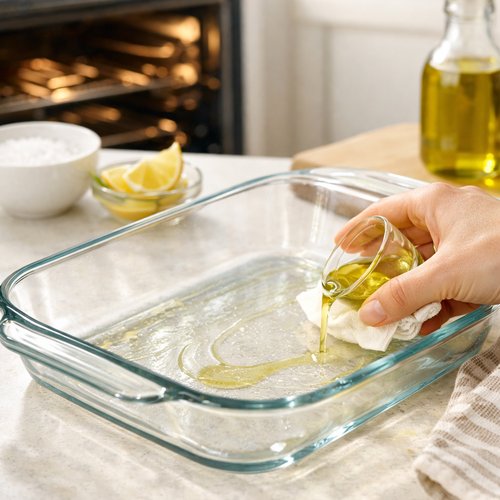
Start by preheating your oven to 400°F (200°C). While it’s heating, grab a 9×13-inch baking dish—ceramic, glass, or metal all work beautifully. Lightly coat the bottom with a tiny bit of olive oil or a light spray. This prevents sticking and helps everything cook evenly. Don’t crowd yourself; make sure you have enough counter space to work comfortably.
Step 2: Pat Your Fish Completely Dry
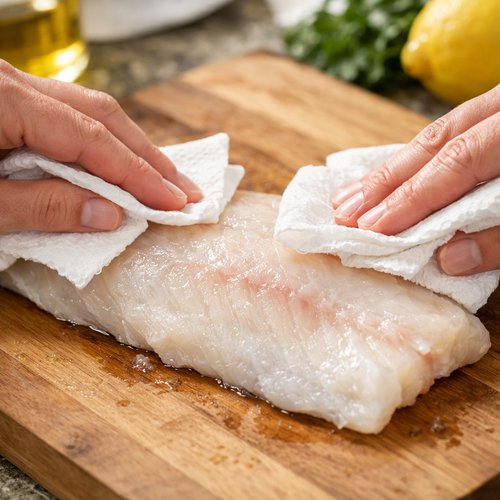
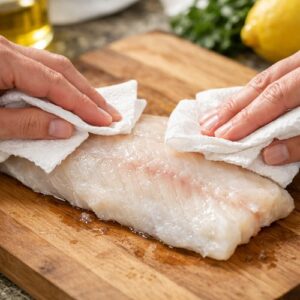
This is the step people often skip, and it’s honestly crucial. Pat each haddock filet very thoroughly with paper towels, both sides. I mean really dry. Moisture is the enemy of nice browning and crispy edges. Once they’re dry, season both sides generously with salt and pepper. Don’t be shy here—the fish needs seasoning to taste its best.
Step 3: Build Your Flavor Base
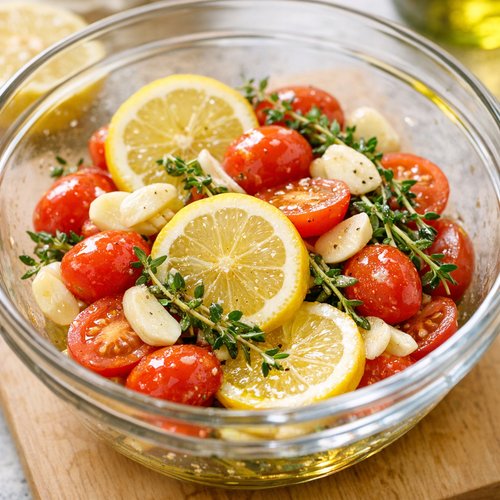
In a small bowl, combine your lemon slices, garlic, cherry tomatoes, and fresh thyme sprigs. Drizzle with the olive oil and gently toss everything together until the vegetables are lightly coated. This is your flavor foundation—it’s going to create a beautiful sauce that the fish will sit on top of. The tomatoes will break down as they bake, creating something almost like a light pan sauce.
Step 4: Arrange Everything in the Baking Dish
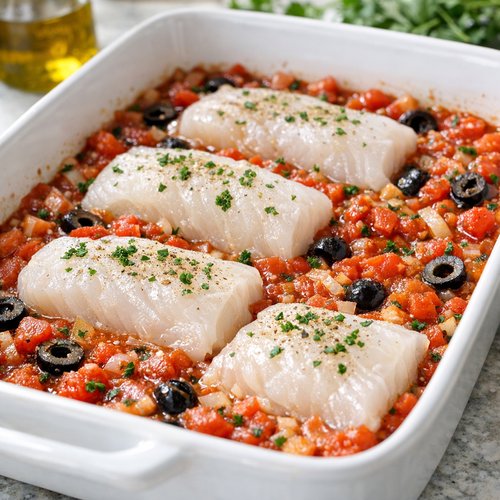
Pour the tomato mixture into your prepared baking dish in a single layer, spreading it out evenly. Now comes the important part: nestle your haddock filets directly on top of the vegetables. Don’t push them down hard—just let them rest gently on top. The vegetables will cook at the same rate as the fish, creating this gorgeous, cohesive dish.
Step 5: Bake Until Perfectly Cooked
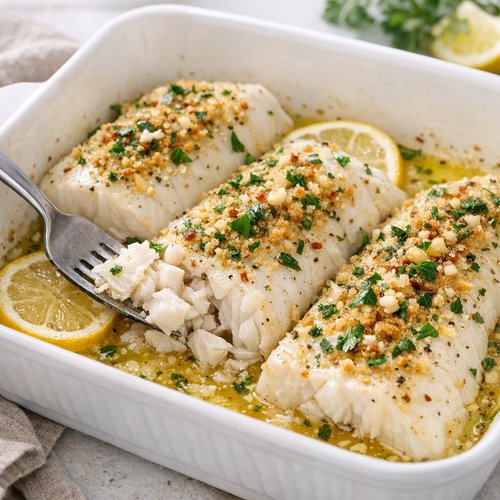
Place the baking dish in your preheated oven and bake for 15 minutes. You’ll know it’s done when the fish is opaque all the way through and flakes easily with a fork. If you have an instant-read thermometer (which I always recommend for fish), the internal temperature should reach 145°F (63°C). This happens faster than you’d think, so don’t wander too far away.
The edges of the filets might look just slightly golden, and the cherry tomatoes should be soft and slightly blistered. That’s exactly what you’re going for.
Step 6: Finish and Serve Immediately
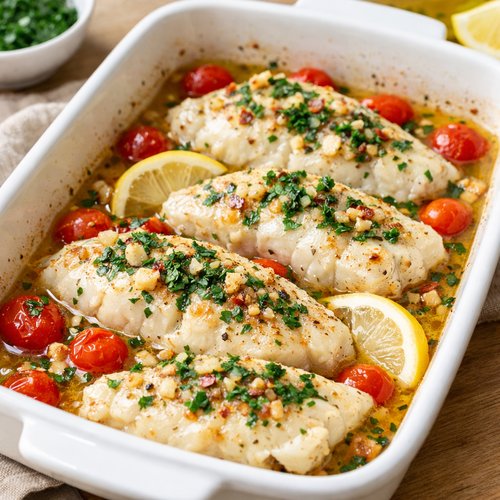
Remove the baking dish from the oven carefully—it’s hot and the liquid inside is even hotter. Let it rest for about 2 minutes so everything settles. Plate each filet with some of the tomato-lemon mixture and pan juices, then sprinkle fresh lemon zest over the top if you like. The brightness of that zest really elevates the whole dish. Serve right away while everything is warm and the fish is still tender.
Expert’s Nutritional Tip
Here’s something I always tell my clients who are trying to eat more fish: haddock is one of the absolute best choices if you’re watching mercury intake. It’s naturally lower in mercury than larger fish like swordfish or king mackerel, so you can enjoy it regularly without concern. The selenium in haddock actually works as a natural antioxidant in your body, and it helps regulate thyroid function. Combined with the omega-3s, you’re getting comprehensive nutritional support with every bite. That’s why I love recommending this recipe to people who are new to eating more seafood.
Tips and Tricks
- Buy your haddock the same day you plan to cook it – Fish is best when fresh. If you can’t cook it the same day, store it in the coldest part of your refrigerator on a bed of ice and use within 24 hours.
- Don’t skip the patting-dry step – I cannot stress this enough. Dry fish becomes crispy and golden. Wet fish becomes steamed and pale. Choose wisely.
- Use a meat thermometer for foolproof results – This removes all the guesswork. Fish can go from perfectly cooked to dry in about 2 minutes, so having a thermometer means you’ll nail it every time.
- Taste your lemon before using it – Some lemons are more tart than others. If yours seems very acidic, use slightly less or it might overpower the delicate fish. If it’s sweeter and milder, you might need a touch more.
- Don’t crowd the pan – The fish needs a little space around it to cook properly. If you’re making this for more than 4 people, use two baking dishes.
- Save the pan juices – That liquid at the bottom of the dish is liquid gold. Drizzle it over everything when you serve. It’s pure flavor.
Make-Ahead Guide
As a dietitian who understands the reality of busy schedules, I’ve created a meal prep approach for this recipe that actually works:
The Morning Of: Prepare your tomato-lemon mixture completely (lemon, garlic, tomatoes, thyme, olive oil) and store it in a container in your refrigerator. Keep your haddock filets separate in their own container. When you get home, simply preheat the oven, pat the fish dry, season it, arrange everything in the baking dish, and bake. You’ve cut your evening prep time in half.
Up to 24 Hours Ahead: You can slice your lemon and garlic in advance—just store them in separate containers. The tomatoes are best sliced closer to cooking to prevent them from getting too watery, but if you halve them in the morning and keep them in a colander (which allows any excess liquid to drain), they’ll hold up beautifully.
Important note: Do not prep the haddock filets more than a few hours in advance. Fish is delicate and releases moisture as it sits. Pat it dry right before cooking for the best results.
Common Mistakes to Avoid
- Cooking from a cold start – Please preheat your oven fully. A not-quite-hot oven means the fish steams instead of bakes, and you lose that gentle browning that makes this dish special.
- Using frozen haddock without proper thawing – If you’re using frozen fish, thaw it completely in the refrigerator for at least 8 hours. Partially thawed or thawed-then-refrozen fish has a mushy texture.
- Opening the oven too many times – I know it’s tempting to peek, but every time you open the door, you let heat escape and you’ll add several minutes to the cooking time. Trust the process.
- Using old lemon – A lemon that’s been sitting in your fruit bowl for two weeks won’t have the bright flavor you need. Fresh lemon makes an enormous difference here.
Seasonal Variations
Spring: Replace the cherry tomatoes with asparagus tips and add fresh tarragon instead of thyme. Tarragon’s subtle anise flavor pairs beautifully with fish, and asparagus brings a lovely textural element.
Summer: This is the perfect time to make this recipe exactly as written. Cherry tomatoes are at their peak, and everything just tastes better. You might add fresh dill if you’re feeling fancy.
Fall: Swap the cherry tomatoes for diced fennel and add a pinch of fennel seeds. The slight sweetness of caramelized fennel is wonderful with baked fish, and it gives the dish a more autumnal feel.
Winter: Use canned or jarred tomatoes if fresh ones aren’t good, and add thinly sliced fennel or leeks. Roasted garlic (if you have it) is even better than fresh during these months. You might also add a sprinkle of smoked paprika for depth.
Can I Store Baked Haddock Recipe?
Yes, you absolutely can. Leftover baked haddock keeps in an airtight container in your refrigerator for up to 3 days. The fish will be more delicate than it was fresh, but it’s still delicious—I actually love it cold the next day as part of a lunch salad.
To reheat, I recommend using a gentle approach. Place it on a plate, cover it loosely with a damp paper towel, and microwave for 30-45 seconds. Or reheat it in a 300°F oven for about 5 minutes, covered with foil. Avoid high heat, which will dry the fish out further.
Do not freeze baked haddock. The delicate texture of the cooked fish doesn’t freeze well and becomes mushy when thawed. However, you can freeze the raw filets for up to 3 months if you won’t be using them right away. Thaw completely in the refrigerator before cooking.
Nutrition Information
Per serving (1 filet with vegetables and sauce): This recipe provides approximately 210 calories, 35 grams of high-quality protein, 6 grams of fat, and 3 grams of carbohydrates. There’s no added sugar, and the sodium content is minimal if you’re using moderate salt.
Based on USDA nutrient data, haddock is an excellent source of selenium (providing about 35% of your daily value), B vitamins including niacin and B12, and contains beneficial omega-3 fatty acids. The cherry tomatoes add lycopene, a powerful antioxidant, plus vitamin C and potassium. The olive oil provides heart-healthy monounsaturated fats and polyphenols. This is a nutritionally complete meal that actually tastes amazing—my favorite kind.
This recipe is naturally gluten-free, dairy-free, and paleo-friendly. It fits beautifully into virtually any eating plan.
What Can I Serve With Baked Haddock Recipe?
The beauty of this dish is its flexibility. Because the haddock is relatively light and the tomato-lemon sauce is bright, you can pair it with so many sides. Here are my go-to combinations:
- Roasted asparagus with garlic – The earthiness of asparagus balances the brightness of the fish perfectly. Toss with olive oil, salt, pepper, and minced garlic, then roast alongside the haddock if you have space.
- A hearty grain – Serve alongside farro, quinoa, or wild rice to round out the meal. I especially love pairing it with a bean and quinoa recipe for extra protein and fiber that makes the meal feel more substantial.
- Simple green salad – Just arugula, baby spinach, or mixed greens with a light vinaigrette. The acidity complements the fish without competing with the flavors already on the plate.
- Roasted root vegetables – Carrots, beets, and parsnips caramelize beautifully and their natural sweetness creates a lovely contrast with the savory fish.
- Creamy cauliflower rice – If you’re keeping things lighter, this is a wonderful option. It absorbs the pan juices beautifully.
- Crusty bread – Use this to soak up every last bit of that pan sauce. I’d never tell a nutritionist friend this, but I definitely do it at home.
Substitutes
- Other white fish – Cod, halibut, flounder, or tilapia all work beautifully with this preparation. Cooking times might vary slightly based on thickness, so adjust as needed. Aim for the same 145°F internal temperature.
- Cherry tomatoes → Grape tomatoes or diced fresh tomatoes – The cooking time will be similar. If using larger tomatoes, cut them into quarters so they cook at the same rate as the fish.
- Fresh thyme → Oregano, marjoram, or basil – All of these herbs pair wonderfully with fish and lemon. Basil is more delicate, so if using it, add it during the last 5 minutes of cooking to preserve its flavor.
- Lemon → Lime or white wine – If you want a different flavor profile, fresh lime juice is lovely and slightly more tropical. Or use ¼ cup dry white wine mixed with a bit of lemon juice for a more classic preparation.
- Olive oil → Butter – Use the same amount of unsalted butter instead. It will create a slightly richer sauce and give the dish a more indulgent feel.

Baked Haddock Recipe
Ingredients
Method
- Start by preheating your oven to 400°F (200°C). While it's heating, grab a 9x13-inch baking dish—ceramic, glass, or metal all work beautifully. Lightly coat the bottom with a tiny bit of olive oil or a light spray. This prevents sticking and helps everything cook evenly. Don't crowd yourself; make sure you have enough counter space to work comfortably.

- This is the step people often skip, and it's honestly crucial. Pat each haddock filet very thoroughly with paper towels, both sides. I mean really dry. Moisture is the enemy of nice browning and crispy edges. Once they're dry, season both sides generously with salt and pepper. Don't be shy here—the fish needs seasoning to taste its best.
- In a small bowl, combine your lemon slices, garlic, cherry tomatoes, and fresh thyme sprigs. Drizzle with the olive oil and gently toss everything together until the vegetables are lightly coated. This is your flavor foundation—it's going to create a beautiful sauce that the fish will sit on top of. The tomatoes will break down as they bake, creating something almost like a light pan sauce.

- Pour the tomato mixture into your prepared baking dish in a single layer, spreading it out evenly. Now comes the important part: nestle your haddock filets directly on top of the vegetables. Don't push them down hard—just let them rest gently on top. The vegetables will cook at the same rate as the fish, creating this gorgeous, cohesive dish.
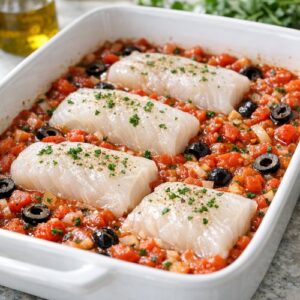
- Place the baking dish in your preheated oven and bake for 15 minutes. You'll know it's done when the fish is opaque all the way through and flakes easily with a fork. If you have an instant-read thermometer (which I always recommend for fish), the internal temperature should reach 145°F (63°C). This happens faster than you'd think, so don't wander too far away. The edges of the filets might look just slightly golden, and the cherry tomatoes should be soft and slightly blistered. That's exactly what you're going for.

- Remove the baking dish from the oven carefully—it's hot and the liquid inside is even hotter. Let it rest for about 2 minutes so everything settles. Plate each filet with some of the tomato-lemon mixture and pan juices, then sprinkle fresh lemon zest over the top if you like. The brightness of that zest really elevates the whole dish. Serve right away while everything is warm and the fish is still tender.

Nutrition
Notes
Tried this recipe?
Let us know how it was!FAQs
Can I Use Frozen Haddock?
Absolutely, but with an important caveat: it needs to be thawed properly. Place your frozen haddock filets in the refrigerator and allow them to thaw completely for at least 8 hours (overnight is ideal). Never thaw at room temperature—this allows bacteria to multiply. Once thawed, pat the filets extra-dry because frozen fish releases more moisture as it thaws. The cooking time should be the same as fresh fish, but watch carefully since thawed fish can become dry more easily.
What If My Haddock Filets Are Thicker Than 6 Ounces?
If you have thicker filets, you’ll need to add a few minutes to the cooking time. Check the internal temperature with a meat thermometer—it should reach 145°F. A filet that’s ¾-inch thick might take 15-18 minutes. A filet that’s 1-inch or thicker might need 18-20 minutes. The thickness matters more than the weight, so pay attention to how thick your fish is when you buy it.
Can I Make This Recipe for Just Two People?
Of course! Simply halve all the ingredients and use a smaller baking dish (an 8×8-inch dish works perfectly for two filets). The cooking time remains the same. This is one of my favorite recipes to scale up or down depending on what I’m doing that evening.
Why Is My Fish Dry?
This usually comes down to one of three things: it cooked too long, it was too thick to cook evenly, or it wasn’t moist enough to begin with. Make sure you’re using a thermometer and pulling the fish out the moment it reaches 145°F. Don’t guess. If your fish filets are naturally very thick, consider gently pounding them to a more even thickness before cooking. And buy your fish fresh—frozen fish that’s been frozen too long can lose moisture.
Is This Recipe Suitable for People with Shellfish Allergies?
Yes, absolutely. Haddock is a finfish, not shellfish, so it’s safe for anyone with shellfish allergies. However, if you have a fish allergy, this recipe isn’t suitable. If you’re cooking for someone with allergies, make sure all your ingredients are free of cross-contamination, particularly if you’re using pre-sliced or pre-packaged items.
Can I Add Other Vegetables?
Definitely. I’ve mentioned some seasonal variations above, but you can also add thinly sliced zucchini, summer squash, bell peppers, or thinly sliced fennel to the bottom of the pan. Just keep in mind that harder vegetables might need a head start—sauté them for 3-4 minutes in the pan before adding the fish if they’re dense. Softer vegetables like zucchini or bell peppers cook at the same rate as the fish, so they can go straight in the pan.
More Recipes You’ll Love
- Baked Haddock With Ritz Crackers Recipe – A crunchier take on baked haddock if you want more texture in your dinner.
- Bean Rice Cheese Burrito Recipe – A heartier meal option for nights when you want something more substantial.
- my oven-baked chicken – Another simple one-pan baked protein if you’re not feeling fish.
- This Homemade Bbq Recipe – Worth adding to your recipe collection.
I hope you make this recipe soon. There’s something special about baking fish—it’s one of those cooking techniques that feels fancy but is genuinely simple. Your kitchen will smell incredible, your table will look beautiful, and best of all, you’ll have nourished your body with real, whole food. That’s what cooking is all about for me.
Happy cooking!