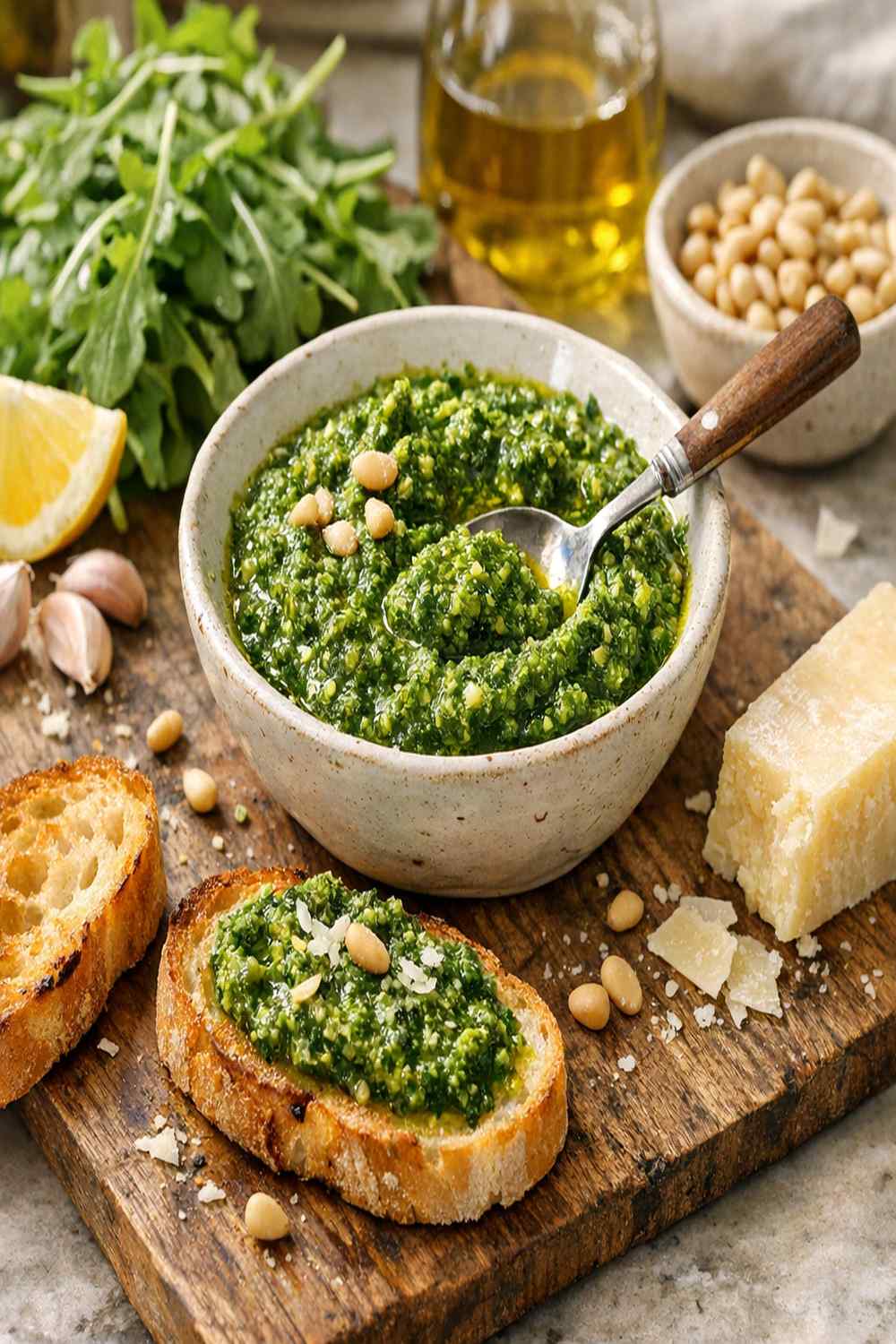

Ingredients
Method
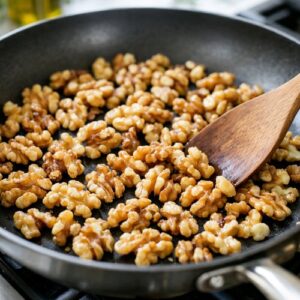
Step 1: Toast Your Nuts to Release Their Oils
- Pour your walnuts or pecans into a large skillet and set the heat to medium. This is the first critical moment. You're not trying to brown the nuts; you're gently warming them to release their natural oils without damaging them with high heat. Stir frequently—this means every 30 seconds or so. Toasting usually takes 3 to 5 minutes, and you'll know it's working when the kitchen smells nutty and rich. Why toast them? Raw nuts contain compounds that inhibit nutrient absorption. Toasting also makes their flavors more pronounced and concentrated. Plus, when nuts are warm, the oil releases more easily from the cell walls, creating a better emulsion base. This is the foundation of everything that follows. Transfer the toasted nuts to your food processor and let them cool for a few minutes. Warm nuts process into nut butter too quickly, which isn't what we want. We need them warm enough to release oils but cool enough to stay in pieces that will blend gradually with the other ingredients.
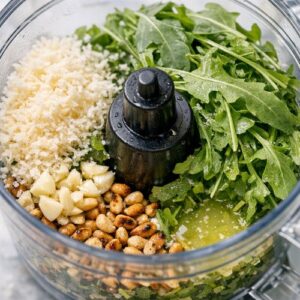
Step 2: Add Your Green Ingredients and Begin Breaking Down Structure
- Once the nuts have cooled slightly, add the arugula, freshly grated Parmesan, roughly chopped garlic, and that initial tablespoon of lemon juice along with your salt. This is where you're building layers—you're combining your emulsifiers (nuts and cheese) with your flavor-builders (greens and acid) before introducing the oil. Pulse the food processor a few times at this stage. You're not trying to create a smooth paste yet. You want everything chopped and broken down enough that the particles can distribute evenly, but you're not making baby food. This usually takes 6 to 8 pulses. The arugula wilts down dramatically once you start processing it. That peppery green that seemed like a lot will compress into just a thin layer of flavor. This is exactly what you want—you're concentrating the taste.
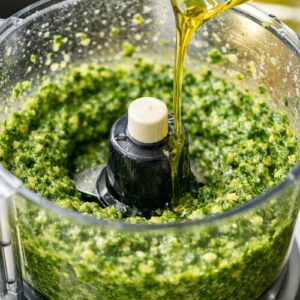
Step 3: The Critical Drizzle—Where Emulsification Happens
- Now comes the technique moment that separates good pesto from broken pesto. Turn your food processor on and let it run continuously. While it's running, drizzle your extra-virgin olive oil in slowly—we're talking a thin, steady stream, not a pour. This is not the time to rush. Think of it like the food processor is holding a secret, and you're coaxing it out slowly. This process should take about 45 seconds to 1 minute total. Yes, you'll feel like this is taking forever. That's exactly right. As the oil drizzles in, the food processor is spinning and the protein-rich base you created is wrapping around each tiny oil droplet. The mixture gradually becomes creamy and thick. If you dump all your oil in at once, the emulsion breaks. You'll end up with a grainy, oily mess that looks curdled. If you stop too early, you'll have something too thick that doesn't coat food properly. The slow drizzle is the secret. By the time you've added all the oil, your pesto should look silky, creamy, and mostly smooth with just a tiny bit of texture remaining. This is the sweet spot.
Step 4: Taste and Adjust—The Finishing Technique
- Transfer your pesto to a bowl and taste it. This is the moment where you become the chef, not the recipe-follower. Does it need more brightness? Add another half-tablespoon of lemon juice. Does it need more punch? A tiny pinch more salt wakes up all the flavors. Sometimes I add that second tablespoon of lemon juice. Sometimes I don't. It depends on the brightness of my arugula that day, the quality of my lemons, what I'm serving the pesto with. You're adjusting for your specific ingredients and your palate. This step teaches you that recipes are guidelines, not gospel. Professional cooks taste constantly and adjust constantly. When you do this, you stop being intimidated by cooking and start trusting yourself.
Nutrition
Notes
- Your pesto separated into oily pools - you either added oil too quickly or your nuts weren't toasted enough to release adequate emulsifiers. Next time, toast longer and drizzle oil even slower. If this happens mid-process, try pulsing in a tablespoon of water or a squeeze of lemon juice to rebind the emulsion
- It tastes bitter or harsh - your garlic was over-processed or the arugula was bruised before you started. Raw garlic that gets pulverized turns bitter. Always add garlic roughly chopped, and use fresh, crisp arugula. If it's already bitter, you can't fix it—make a fresh batch and remember this lesson
- The texture is too thick and pasty - you either didn't add enough oil or you over-processed after adding it. Pesto should be a pourable sauce, not a paste. Add another tablespoon of olive oil and pulse gently to incorporate
- It's too loose and slides right off your food - you added too much oil relative to your other ingredients. This pesto works but it's less efficient. Next time, measure your oil more carefully. You can let it sit in the fridge for 30 minutes—sometimes the texture firms up slightly
- The flavor is flat and one-dimensional - you skipped the tasting and adjusting step. Salt and lemon juice aren't just seasonings; they're flavor amplifiers. Always taste and adjust