
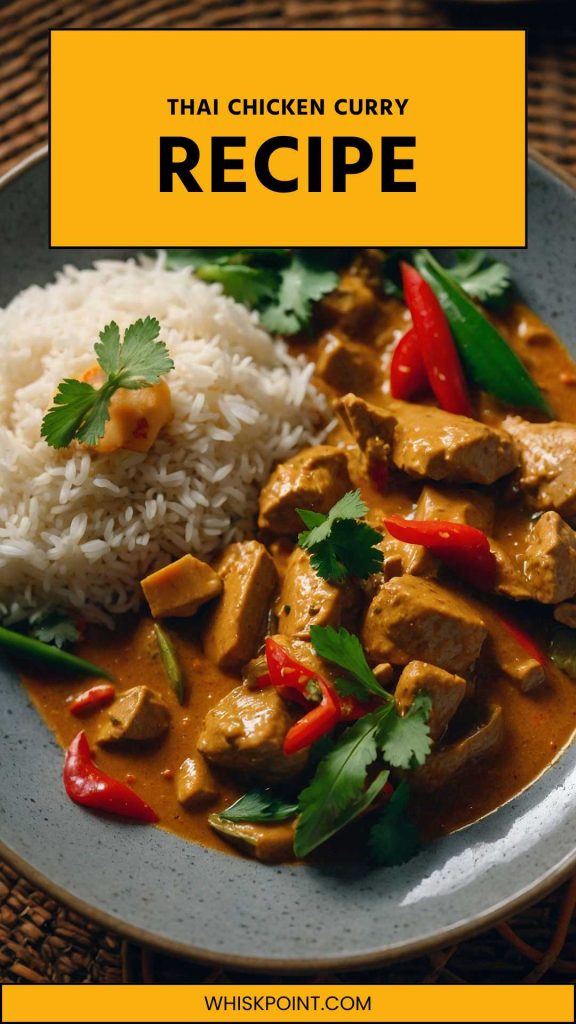
When I think of Thai chicken curry, I can already feel my taste buds doing a little dance. The creamy coconut milk, spicy curry paste, and tender chicken create a flavor harmony that’s hard to beat. So, what do you serve alongside this dish to really amplify the experience? Here are a few excellent partners for your curry:
Steamed Jasmine Rice: This is a classic choice. Its fluffy texture complements the rich curry sauce beautifully. Plus, it’s the perfect vehicle for sopping up every last drop.
Cucumber Salad: A refreshing cucumber salad adds a crispness that cuts through the richness of the curry. Try a simple mix of cucumbers, lime juice, sugar, and mint for a bright side.
Spring Rolls: A side of fresh spring rolls provides a fun, crunchy contrast. Filled with shrimp or veggies, they’re a delightful addition.
Roti or Naan: Grab some pieces of roti or naan. These Indian flatbreads are perfect for scooping up those delicious curry flavors.
An Invitation to Culinary Adventure: Introduction to Thai Chicken Curry
Thai chicken curry has a special place in my culinary heart. Growing up, my exposure to different cuisines was limited to my mother’s kitchen. But the first time I had Thai curry, I was captivated. It combined spice, sweetness, and a refreshing hit of herbs in a way I had never experienced. Each bite was a revelation, a journey that transported me to the bustling streets of Bangkok.
This dish is more than just food. It represents culture, tradition, and a blend of tastes that tell a story across generations. Whether you’re whipping it up for a casual weeknight dinner or a festive gathering, this Thai chicken curry recipe is bound to impress.
You Might Also Like These Recipes!
- Slow Cooker Chicken Curry Recipe
- Air Fryer Chicken Thighs Recipe
- Slow Cooker Chicken Cacciatore Recipe
What is Thai Chicken Curry?
Thai chicken curry refers to a variety of curries found in Thai cuisine. These curries can vary widely in flavor and heat depending on the region and the ingredients. But fundamentally, they share key elements: protein (like chicken), a flavorful curry paste, and coconut milk for richness. Each curry introduces unique ingredients that reflect the rich diversity of Thailand’s regions.
The Magic of Thai Chicken Curry stems from the balance of flavors. Sweet, salty, spicy, and sour converge to create something extraordinary. Plus, the vibrant colors and aromas are as delightful as the taste.
Why This Recipe Works?
This Thai chicken curry recipe is not just a collection of ingredients thrown together. Here’s why it truly shines:
1. Rich Coconut Milk: The luscious coconut milk provides a creamy base that balances the heat of the curry paste. Using high-quality coconut milk is essential for achieving that velvety texture.
2. Flavor-Infused Curry Paste: We use Thai red curry paste, packed with spices and aromatics. This paste intensifies flavor without the need for extensive cooking.
3. Fresh Vegetables: Adding colorful veggies like bell peppers and green beans not only enhances nutrition but also adds texture. They absorb the curry flavors while contributing their own sweetness.
4. Quick and Easy Preparation: This recipe is straightforward. With just a few steps, you can have a nourishing meal on the table in about 30 minutes. It’s perfect for busy weeknights.
Ingredients You’ll Need to Make This Thai Chicken Curry
Gathering the right ingredients makes each step easier. Here’s what you need:
For the Chicken
1 teaspoon oyster sauce: Adds depth of flavor.
1 pound boneless, skinless chicken breast or thighs, thinly sliced: Choose your favorite cut for tenderness.
2 teaspoons cornstarch: Helps to tenderize.
2 tablespoons water: To combine with cornstarch.
1 teaspoon neutral cooking oil: Like canola or vegetable oil.
For the Rest of the Dish
2 tablespoons neutral cooking oil: For sautéing.
4 ounces Thai red curry paste: (1 can / 115 g; for milder curry, start with ½ can).
2 cloves garlic, finely minced.
2 slices fresh ginger, minced.
1 small yellow onion, cut into small wedges.
½ red bell pepper, thinly sliced.
4 ounces green beans, trimmed and halved crosswise.
5 ounces bamboo shoots, drained.
1 tablespoon fish sauce: For umami depth.
2 teaspoons brown sugar or palm sugar: To balance flavors.
13.5 ounces canned coconut milk: (400 ml / 1 can) for creaminess.
½ cup fresh Thai basil leaves: To finish.
1 teaspoon lime zest: For a bright, citrusy aroma.
1 small red chili, thinly sliced (optional, for heat).
Fresh cilantro, for garnish (optional, for freshness).
How To Make This Dish?
Making Thai chicken curry is straightforward. Follow these steps and savor each moment.
Step 1: Preparing the Chicken
Start by marinating chicken in oyster sauce and a mixture of cornstarch and water. Let it sit for about 10 minutes to absorb the flavors. This ensures the chicken is tender and flavorful.
Step 2: Cooking the Base
In a large pan or wok, heat 2 tablespoons of oil over medium heat. Sauté the minced garlic and ginger until aromatic. This step is crucial because it builds the foundational flavors of the dish.
Step 3: Add the Veggies
Next, toss in the yellow onion, red bell pepper, and green beans. Cook until they begin to soften. The colors should start to pop, washing the pan with vibrancy.
Step 4: Incorporate the Curry Paste
Now it’s time for the star of the show: the Thai red curry paste. Stir it into the vegetables, allowing all those spices to meld together while cooking for about 2 minutes.
Step 5: Pour in the Coconut Milk
Add the coconut milk and stir to combine. The mixture should start looking creamy and inviting. Let it simmer for 5-7 minutes, allowing the flavors to integrate and develop.
Step 6: Finish with Chicken
Add the marinated chicken to the pan. Pour in fish sauce and brown sugar. Stir well, bringing everything to a gentle simmer. Cook until the chicken is cooked through, about 10 minutes.
Step 7: Garnish and Serve
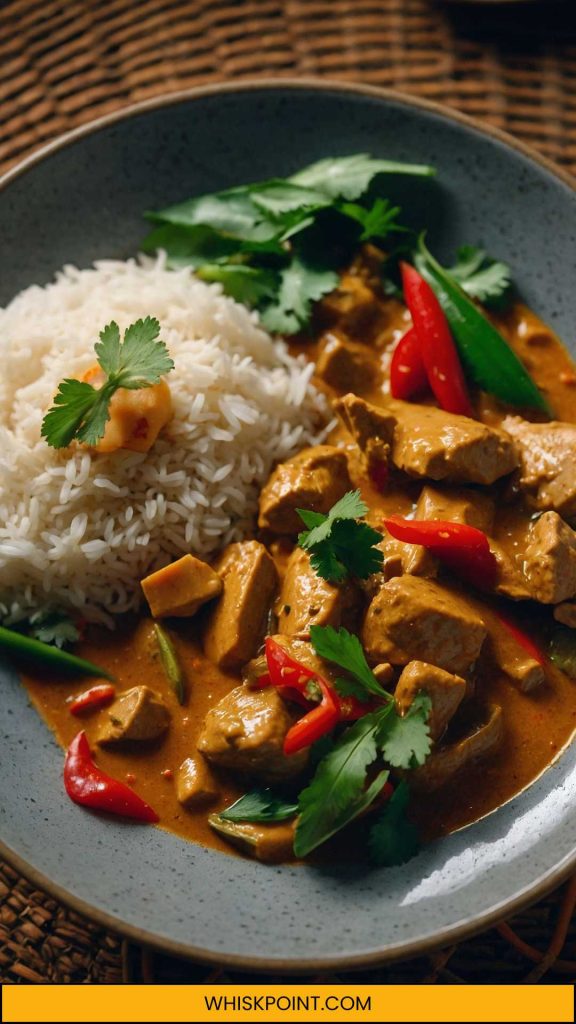
Finally, stir in the fresh Thai basil and lime zest. Serve hot, garnished with cilantro and any additional red chili if you like a kick.
Tips To Perfect Your Thai Chicken Curry
Use Fresh Ingredients: Whenever possible, use fresh herbs and vegetables. Freshness enhances flavor and texture.
Adjust Spice Level: If you’re uncertain about spice levels, start with half the curry paste. You can always add more later.
Serve Immediately: Thai chicken curry is best served fresh. It can lose its appeal if left sitting.
Experiment with Proteins: Chicken is fantastic, but shrimp, tofu, or even beef can work beautifully with this recipe.
Add Heat as Desired: If you enjoy spice, don’t shy away from slices of fresh chili. Spice level can be adjusted to suit your taste.
Nutrition Information
Here’s a breakdown of key nutritional components of a typical serving of Thai chicken curry:
Calories: Approximately 350-450 calories (depending on chicken cut and coconut milk).
Protein: Roughly 25-30 grams, great for muscle repair.
Carbohydrates: About 15 grams, largely dependent on what you serve it with.
Fats: Filled with healthy fats from coconut milk.
How to Store the Leftovers?
Leftovers can happen, and that’s okay! Here’s how to store your Thai chicken curry:
Cool Down: Let the curry cool to room temperature.
Airtight Containers: Transfer leftovers into airtight containers.
Refrigeration: Store in the fridge for up to 3 days. For longer storage, consider freezing.
Reheat Safely: When ready to eat, reheat on the stovetop or in the microwave. Ensure it’s heated thoroughly to an internal temperature of 165°F.
Recommended Side Dishes for Thai Chicken Curry
To create a well-rounded meal, here are a few fantastic sides:
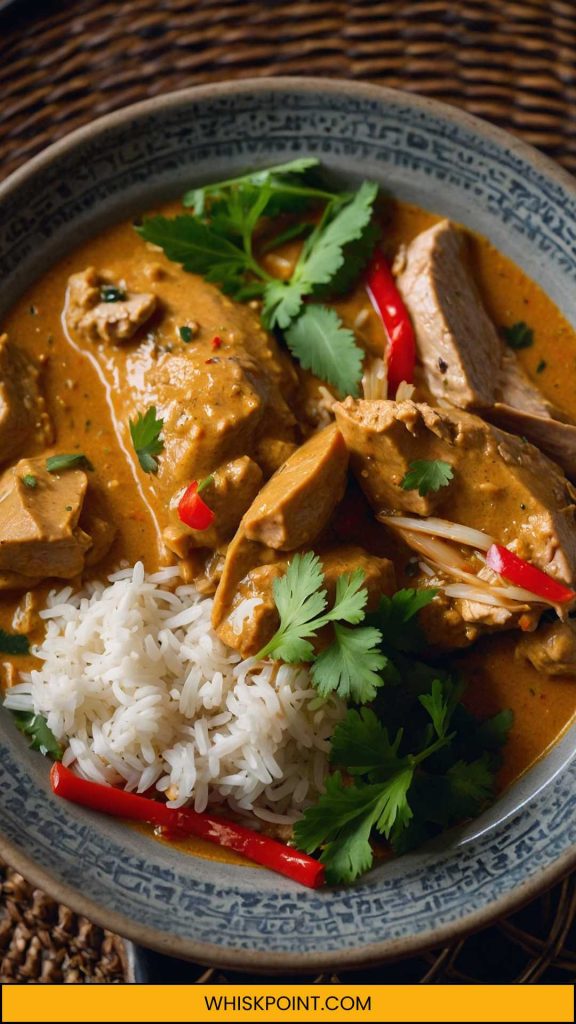
Steamed Rice: This keeps things simple and classic. White or jasmine rice is a favorite.
Thai Cucumber Salad: Refresh your palate with a simple cucumber salad tossed with rice vinegar and sugar.
Crispy Spring Rolls: Crunchy and filled with veggies, these add texture and flavor contrast.
Garlic Naan or Roti: These flatbreads are perfect for scooping up sauce.
Ingredient Substitutes
If you happen to be missing items from the pantry, here are some substitutes:
Coconut Milk: Almond milk or cashew cream can replace coconut milk. Just remember, the flavor may change slightly.
Fish Sauce: Soy sauce is a common alternative for those avoiding fish products. It lacks the complexity but works in a pinch.
Thai Basil: Regular basil can be used if Thai basil isn’t available, although the flavor will differ.
Red Curry Paste: In a pinch, any store-bought curry paste will suffice, but it may not give you that true Thai flavor profile.
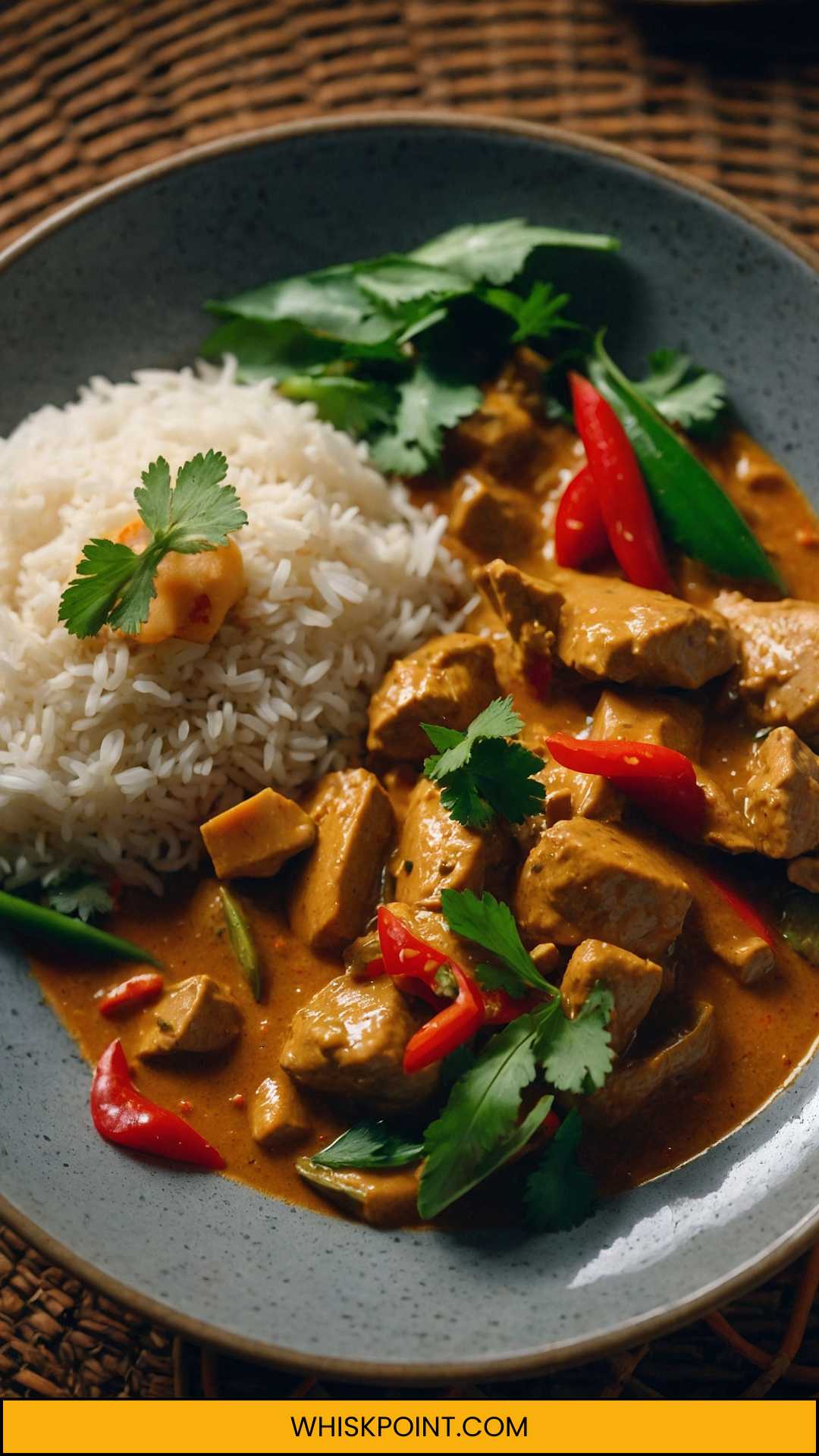

Thai Chicken Curry
Ingredients
Equipment
Method
- Making Thai chicken curry is straightforward. Follow these steps and savor each moment.
- Start by marinating chicken in oyster sauce and a mixture of cornstarch and water. Let it sit for about 10 minutes to absorb the flavors. This ensures the chicken is tender and flavorful.
- In a large pan or wok, heat 2 tablespoons of oil over medium heat. Sauté the minced garlic and ginger until aromatic. This step is crucial because it builds the foundational flavors of the dish.
- Next, toss in the yellow onion, red bell pepper, and green beans. Cook until they begin to soften. The colors should start to pop, washing the pan with vibrancy.
- Now it’s time for the star of the show: the Thai red curry paste. Stir it into the vegetables, allowing all those spices to meld together while cooking for about 2 minutes.
- Add the coconut milk and stir to combine. The mixture should start looking creamy and inviting. Let it simmer for 5-7 minutes, allowing the flavors to integrate and develop.
- Add the marinated chicken to the pan. Pour in fish sauce and brown sugar. Stir well, bringing everything to a gentle simmer. Cook until the chicken is cooked through, about 10 minutes.
- Finally, stir in the fresh Thai basil and lime zest. Serve hot, garnished with cilantro and any additional red chili if you like a kick.
Nutrition
Notes
Adjust Spice Level: If you’re uncertain about spice levels, start with half the curry paste. You can always add more later.
Serve Immediately: Thai chicken curry is best served fresh. It can lose its appeal if left sitting.
Experiment with Proteins: Chicken is fantastic, but shrimp, tofu, or even beef can work beautifully with this recipe.
Add Heat as Desired: If you enjoy spice, don’t shy away from slices of fresh chili. Spice level can be adjusted to suit your taste.
Tried this recipe?
Let us know how it was!Frequently Asked Questions
1. Can I make Thai chicken curry in advance?
Yes! You can prepare the curry and store it in the refrigerator for up to three days. Just reheat before serving.
2. Is Thai chicken curry spicy?
The spiciness varies based on the amount of curry paste used. Adjust it to your preference by starting with less and adding more as needed.
3. What kind of coconut milk should I use?
For the best results, use full-fat coconut milk for a creamy texture. Light coconut milk can be used but will lead to a thinner sauce.
4. Can I use frozen chicken in this recipe?
Yes, you can use frozen chicken, but it is best to thaw it completely before cooking for even cooking.
5. Is this recipe healthy?
Thai chicken curry can be healthy, especially if you include plenty of vegetables and control the amount of coconut milk and sugar used.
Conclusion
Thai chicken curry is more than a meal; it’s a canvas for creativity and flavors. The recipe is simple, yet it opens the doors to endless culinary adventures. Whether you’re a seasoned cook or a beginner, the satisfaction of creating this dish is unmatched. Pair it with the right sides, experiment with ingredients, and make it your own. So, roll up your sleeves, and let the aromatic journey begin.