
Sautéed mushrooms are like the Swiss Army knife of the culinary world. They can elevate a simple dish into something special. Picture this: serve them alongside a perfectly grilled steak for a hearty meal, or toss them with pasta for a quick yet satisfying dinner. If you’re in the mood for something light, complement a fresh salad with these savory morsels. Add sautéed mushrooms to your next omelet for a delightful breakfast. Feeling adventurous? Slather them on toasted bread for a mouthwatering bruschetta. There’s no denying that sautéed mushrooms are versatile and can infuse flavor into a wide range of dishes.

You’ll Also Like These Recipes
Ah, sautéed mushrooms. Whenever I hear those two words, my taste buds stir. Imagine the earthy aroma wafting through your kitchen, filling the air with anticipation. Sautéed mushrooms are not just a side dish; they are an experience! They’re luscious, they’re rich, and they can transform any meal into a culinary delight. When I first ventured into cooking, sautéed mushrooms became my go-to. They’re easy to prepare, require minimal ingredients, and the flavor is simply unparalleled.
But let’s delve deeper. So what exactly are sautéed mushrooms? And what makes them so irresistible? Join me on this culinary journey as I share what I’ve learned about these umami-packed little gems.
What Are Sautéed Mushrooms?
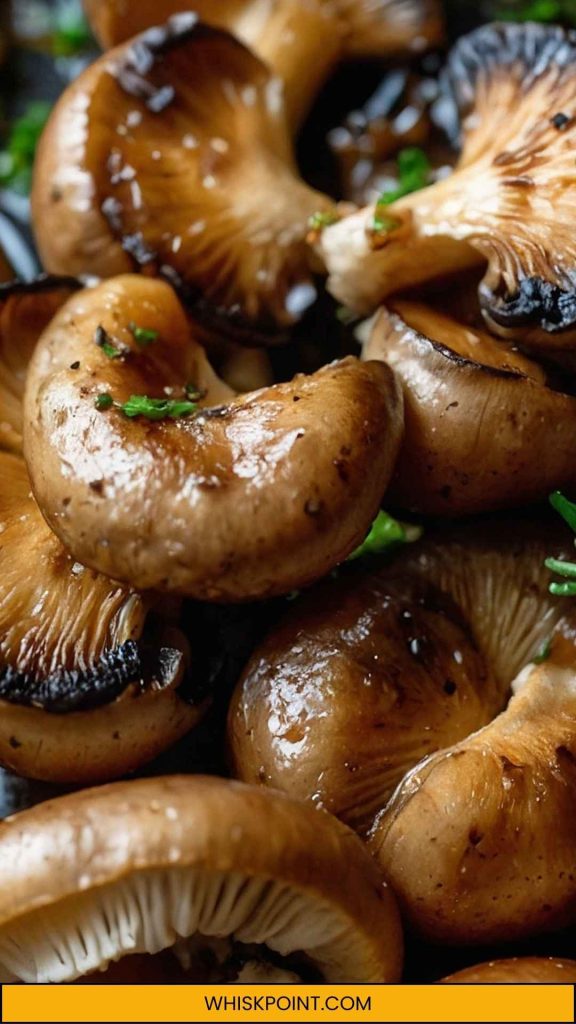
At their core, sautéed mushrooms are simply mushrooms cooked over a moderate heat with some fat—usually butter or oil. The process allows the mushrooms to release their moisture and develop a brown, caramelized exterior. You might be wondering about the types of mushrooms one can use. Well, the world of mushrooms is vast. You have plain white buttons, earthy cremini, and even robust portobello. Each type brings a unique flavor and texture to the table.
Through the years, I’ve recognized that sautéed mushrooms serve as a versatile base. They can be the star of the dish or a flavor-enhancing sidekick. Truth be told, you can whip up a pan of these beauties in minutes, and they’ll pack a punch of flavor that surprises and delights.
What Is the Flavor Profile of Sautéed Mushrooms?
When I first tasted sautéed mushrooms, it was a revelation. The deep, savory flavor, intensified by caramelization, creates an umami explosion that lingers on the palate. Some people describe mushrooms as earthy, nutty, and sometimes even slightly sweet. Their unique texture—a tender yet firm bite—offers a satisfying contrast that keeps you coming back for more.
The additional ingredients you choose to use can amplify their flavor. Garlic adds a zesty kick. A splash of dry white wine pulls everything together with a touch of acidity. Meanwhile, adding balsamic vinegar gives a hint of sweetness that rounds out the dish beautifully.
Why You’ll Love This
So, why should sautéed mushrooms become a staple in your kitchen? First off, the ease of preparation is unparalleled. It doesn’t demand fancy skills or ingredient lists. If you’re on a busy schedule, this dish is your trusty ally. Beyond that, consider the health benefits. Mushrooms are low in calories, high in fiber, and packed with nutrients like B vitamins and antioxidants. Eating a handful of sautéed mushrooms is both delicious and nutritious. They can be a great supplement to any meal or stand alone as a delightful snack.
Ingredients
For those eager to try sautéed mushrooms, here’s what you’ll need:
- 2 tablespoons unsalted butter
- 1 pound assorted mushrooms (brown, white, cremini, or portobello)
- 2 tablespoons extra virgin olive oil
- 2 garlic cloves, finely minced
- 1 tablespoon tamari or soy sauce
- ¼ cup dry white wine (optional, for deglazing)
- 1 teaspoon balsamic vinegar (optional, adds depth and sweetness)
- 1 sprig fresh thyme or ¼ teaspoon dried thyme
- Freshly chopped chives for garnish (optional)
Step-by-Step Instructions
Let’s get cooking!
Step 1: Prepare the Mushrooms
Start by cleaning your mushrooms. I recommend wiping them with a damp paper towel. Avoid soaking them in water to prevent mushiness. Once cleaned, slice them uniformly. Keeping the slices similar in size ensures even cooking.
Step 2: Heat the Pan
Grab a large skillet and heat it over medium-high heat. Add the unsalted butter and olive oil. The combination of fats offers a rich flavor and prevents the butter from burning. Wait until the butter foams and then subsides before moving to the next step.
Step 3: Sauté the Mushrooms
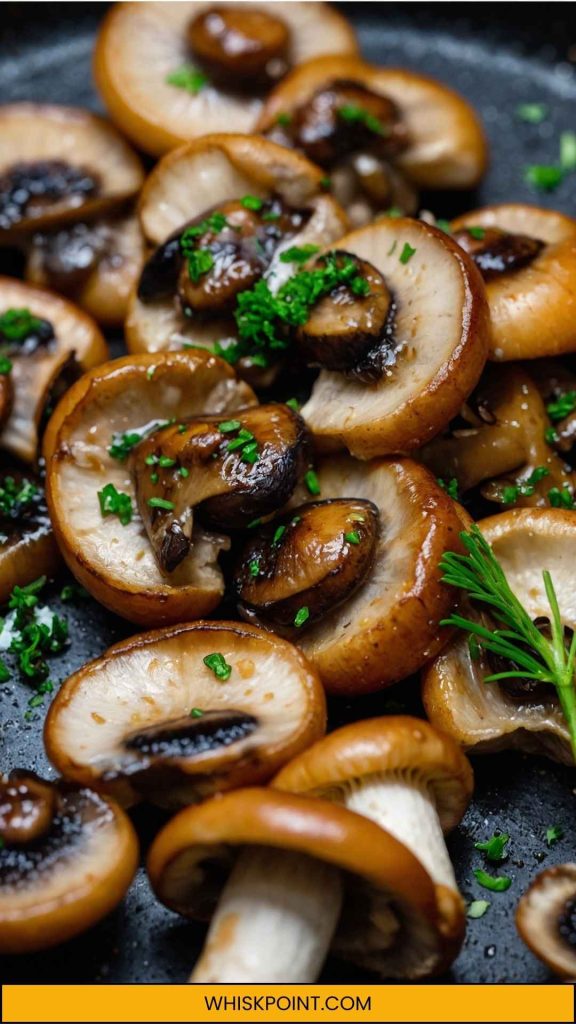
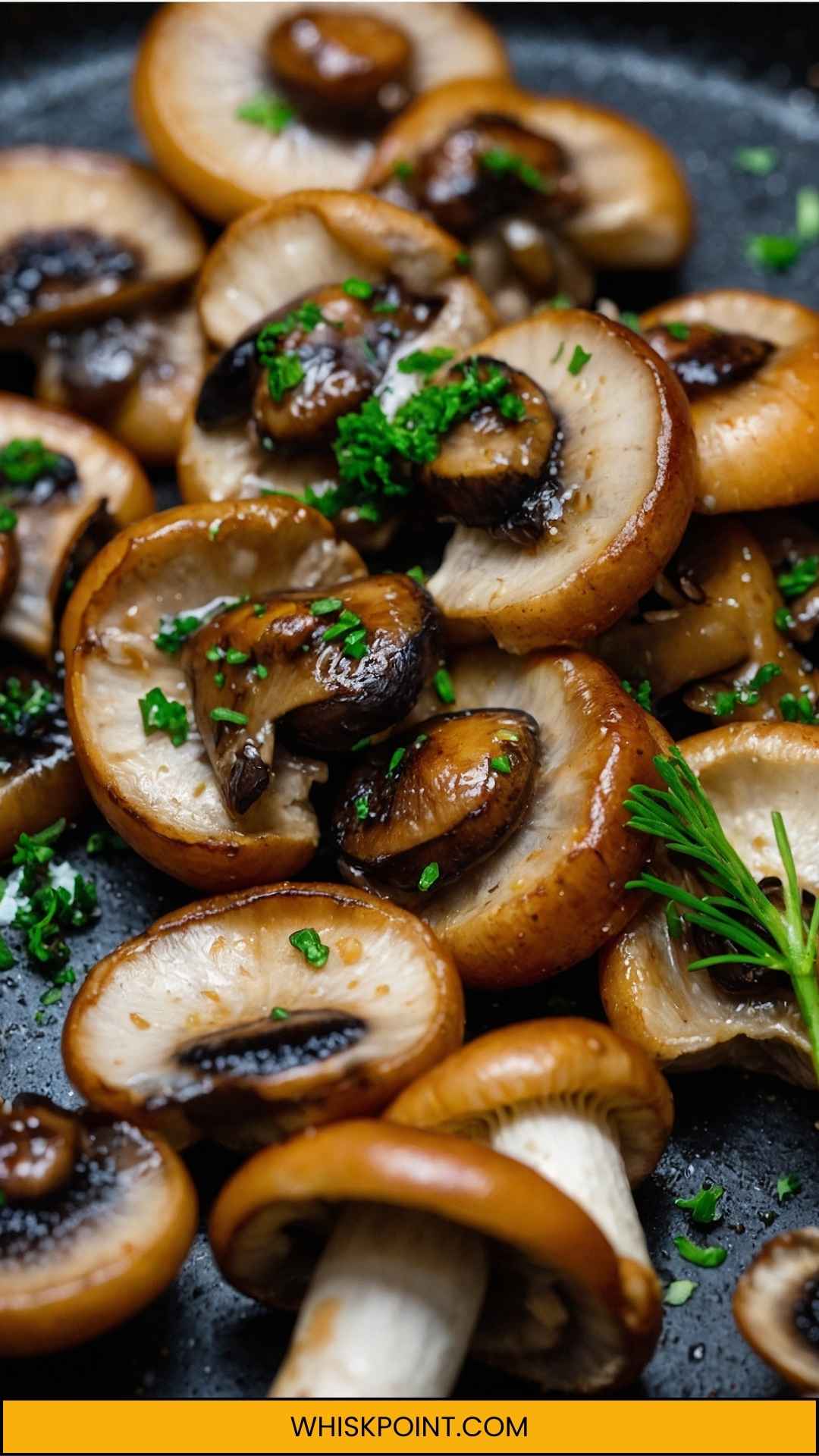
Carefully place the sliced mushrooms into the hot skillet. Remember not to overcrowd the pan; you want to achieve that beautiful golden brown color. Sauté for about 5-7 minutes. Stir occasionally, allowing the mushrooms to brown evenly. Watch how they release their juices—this is where the magic happens.
Step 4: Add Garlic and Seasonings
After the mushrooms have some color, toss in the minced garlic. It only needs about a minute to cook since garlic can burn quickly. Add the tamari or soy sauce, and if you’re feeling fancy, pour in the dry white wine to deglaze the pan. This really enhances the flavor by lifting the brown bits stuck to the bottom of the pan.
Step 5: Add Final Touches
Stir in the balsamic vinegar and thyme during the last minute of cooking. Taste and adjust with a pinch of salt or pepper if needed. Remove the skillet from the heat and prepare to serve!
Step 6: Garnish and Serve
For a pop of color and fresh flavor, sprinkle freshly chopped chives on top. Serve your sautéed mushrooms hot as a side dish, on toast, or tossed with pasta. Enjoy the rich flavor and aroma that fills your kitchen!
Tips & Tricks
Here are some handy tips to guarantee your mushrooms turn out perfectly:
- Use a Variety of Mushrooms: Mixing different types brings a unique taste and texture.
- Skip the Water: Don’t rinse mushrooms in water, as they absorb it. This can make them soggy.
- Watch the Heat: Keep the heat high enough to get a golden brown sear but not so high that you burn the garlic.
- Season Gradually: Season at different stages of cooking. This layers the flavor.
- Add Richness: For a richer flavor, add a bit of grated cheese or a dollop of crème fraîche when serving.
Nutrition Information
You might be wondering about the nutritional benefits of sautéed mushrooms. A typical serving size (about one cup) offers:

Mushrooms can fit seamlessly into a wide range of diets, making them the perfect addition to any meal.
How to Store Sautéed Mushrooms
Leftovers? Don’t worry! They can be stored easily. Allow the sautéed mushrooms to cool to room temperature before transferring them to an airtight container. Store them in the fridge for up to three days. You can reheat them on the stovetop or in the microwave. Just remember that the texture might change a bit after refrigeration.
Ingredient Alternatives
Sometimes you might find yourself in a pickle and missing an ingredient. Here are a few alternatives to consider:
- Butter Alternatives: If you’re vegan or dairy-free, use olive oil or coconut oil instead. Both can maintain the rich flavor.
- Wine Substitute: If you don’t have dry white wine, try vegetable broth or simply add a splash more soy sauce for an umami kick.
- Mushroom Type: Don’t have the specific mushrooms on hand? Any texture and flavor will work! Use frozen mushrooms for convenience or dried mushrooms that you rehydrate beforehand.

Sautéed Mushrooms Recipe
Ingredients
Equipment
Method
- Start by cleaning your mushrooms. I recommend wiping them with a damp paper towel. Avoid soaking them in water to prevent mushiness. Once cleaned, slice them uniformly. Keeping the slices similar in size ensures even cooking.
- Grab a large skillet and heat it over medium-high heat. Add the unsalted butter and olive oil. The combination of fats offers a rich flavor and prevents the butter from burning. Wait until the butter foams and then subsides before moving to the next step.
- Carefully place the sliced mushrooms into the hot skillet. Remember not to overcrowd the pan; you want to achieve that beautiful golden brown color. Sauté for about 5-7 minutes. Stir occasionally, allowing the mushrooms to brown evenly. Watch how they release their juices—this is where the magic happens.
- After the mushrooms have some color, toss in the minced garlic. It only needs about a minute to cook since garlic can burn quickly. Add the tamari or soy sauce, and if you’re feeling fancy, pour in the dry white wine to deglaze the pan. This really enhances the flavor by lifting the brown bits stuck to the bottom of the pan.
- Stir in the balsamic vinegar and thyme during the last minute of cooking. Taste and adjust with a pinch of salt or pepper if needed. Remove the skillet from the heat and prepare to serve!
- For a pop of color and fresh flavor, sprinkle freshly chopped chives on top. Serve your sautéed mushrooms hot as a side dish, on toast, or tossed with pasta. Enjoy the rich flavor and aroma that fills your kitchen!
Nutrition
Notes
- Use a Variety of Mushrooms: Mixing different types brings a unique taste and texture.
- Skip the Water: Don’t rinse mushrooms in water, as they absorb it. This can make them soggy.
- Watch the Heat: Keep the heat high enough to get a golden brown sear but not so high that you burn the garlic.
- Season Gradually: Season at different stages of cooking. This layers the flavor.
- Add Richness: For a richer flavor, add a bit of grated cheese or a dollop of crème fraîche when serving.
Tried this recipe?
Let us know how it was!Frequently Asked Questions
Can I sauté mushrooms without fat?
While you can sauté mushrooms with a non-stick pan and a bit of water, using fat enhances flavor. Fats promote browning and yield delicious results.
Are sautéed mushrooms healthy?
Yes! Mushrooms are low in calories and high in nutrients. They’re a fantastic source of antioxidants and support a healthy immune system.
Can I freeze sautéed mushrooms?
Yes! Sautéed mushrooms can be frozen. Just make sure they cool completely before sealing them in an airtight container. They’ll last for about six months in the freezer.
How do I prevent my mushrooms from being rubbery?
The key to avoiding rubbery mushrooms is to ensure they are cooked at the right temperature. Avoid overcrowding the pan, which can cause steaming instead of sautéing.
What if I don’t like mushrooms?
If you’re not a fan of mushrooms, similar vegetables like zucchini, eggplant, or bell peppers can also be sautéed. They’ll soak up seasonings just as well!
Conclusion
Sautéed mushrooms are more than just a dish; they are an invitation to elevate any meal. Whether you’re tossing them with pasta, pairing them with steak, or enjoying them solo, their rich flavor and delightful texture will have your kitchen abuzz. With minimal ingredients and straightforward preparation, these little gems can be a staple in any home.
So, don’t hesitate! Get into your kitchen, gather your mushrooms, and let adventure unfold. You’ll soon be creating flavors that not just tantalize your own taste buds but impress family and friends. Trust me, once you explore sautéed mushrooms, you’ll find they lead to countless delicious possibilities.